Explore the ideas, religious traditions and ritual concepts that shape how Chinese culture explains the world.
20 guides · Page 2/2
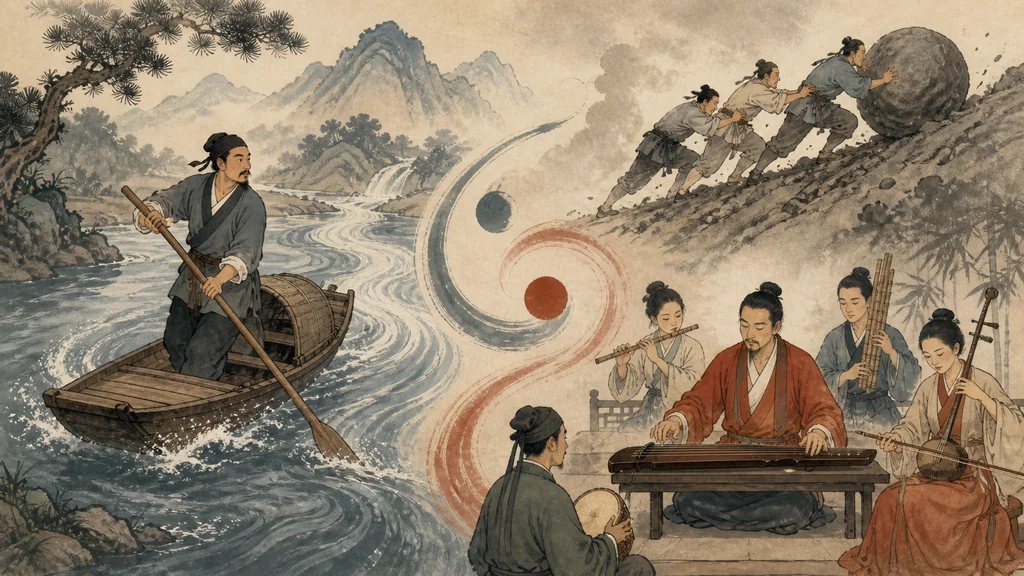
What Does Wu Wei Really Mean in Daoism?
Wu wei is action that does not impose strained, self-defeating interference. It does not recommend passivity in every situation or promise effortless productivity.
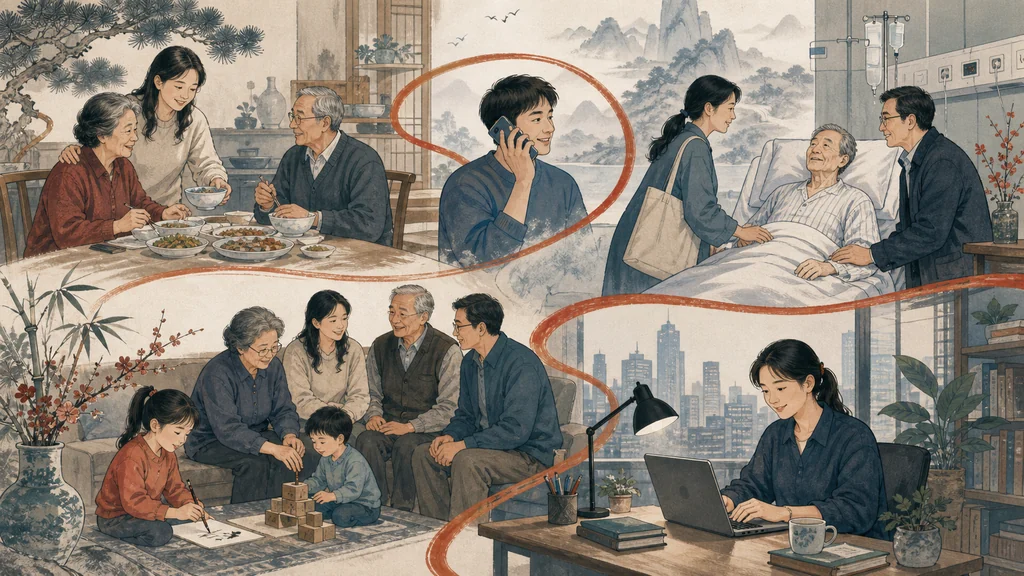
What Does Filial Piety Mean in Everyday Chinese Life?
Xiao can mean respect, care, remembrance and responsible conduct toward parents and elders. In contemporary life it is negotiated alongside autonomy, migration, gender equality and law.
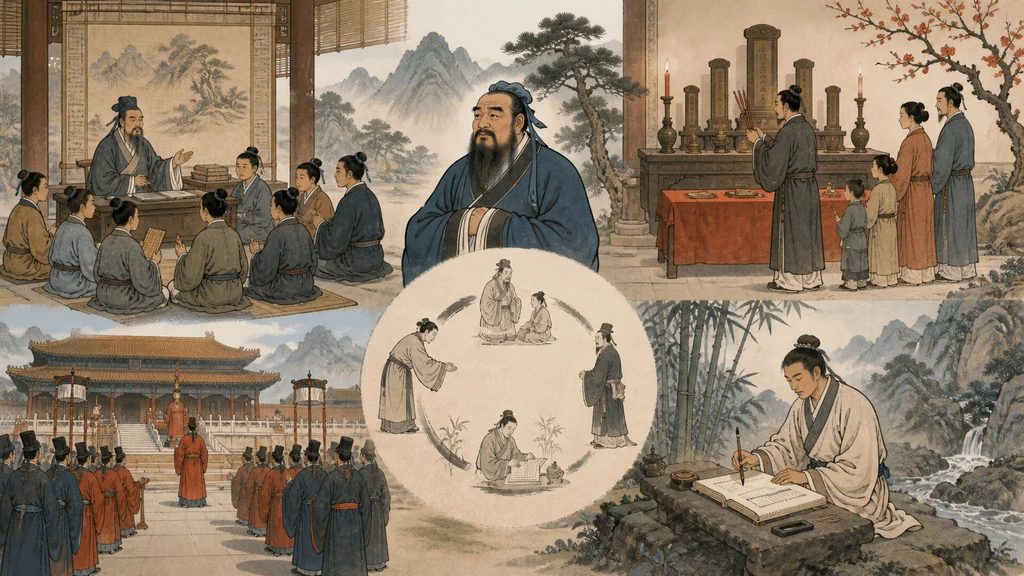
Is Confucianism a Religion? Why the Answer Depends on the Definition
Confucian traditions include ethics, education, ritual, ideas about Heaven and ancestral rites, yet lack some features many Britons expect from a church. The answer therefore depends on what religion means.
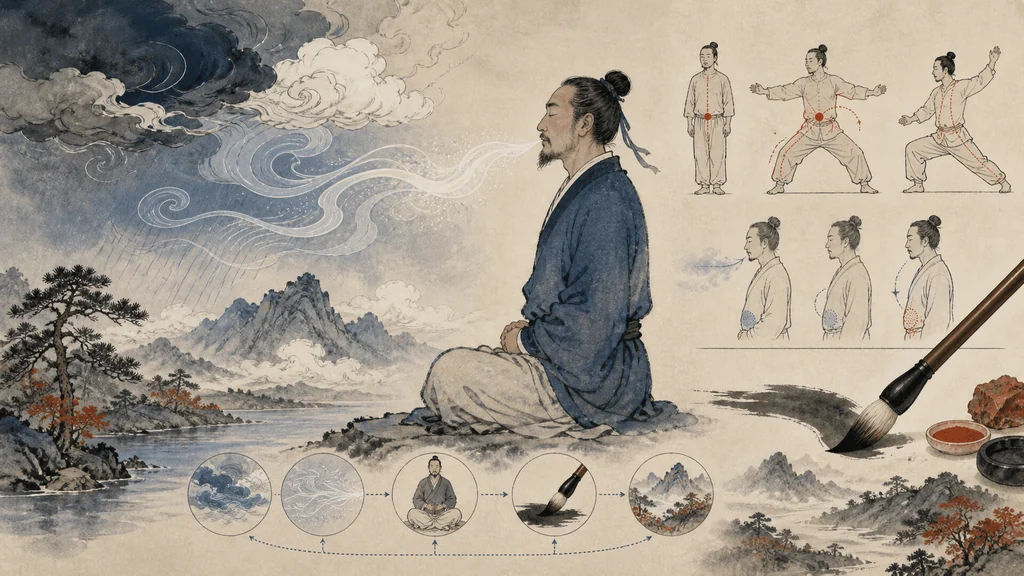
What Does Qi Mean Beyond ‘Energy’?
Qi has referred to breath, vapour, material force, atmosphere, vitality and patterned processes. Energy is sometimes a convenient gloss, but it falsely sounds like a single measurable quantity in modern physics.
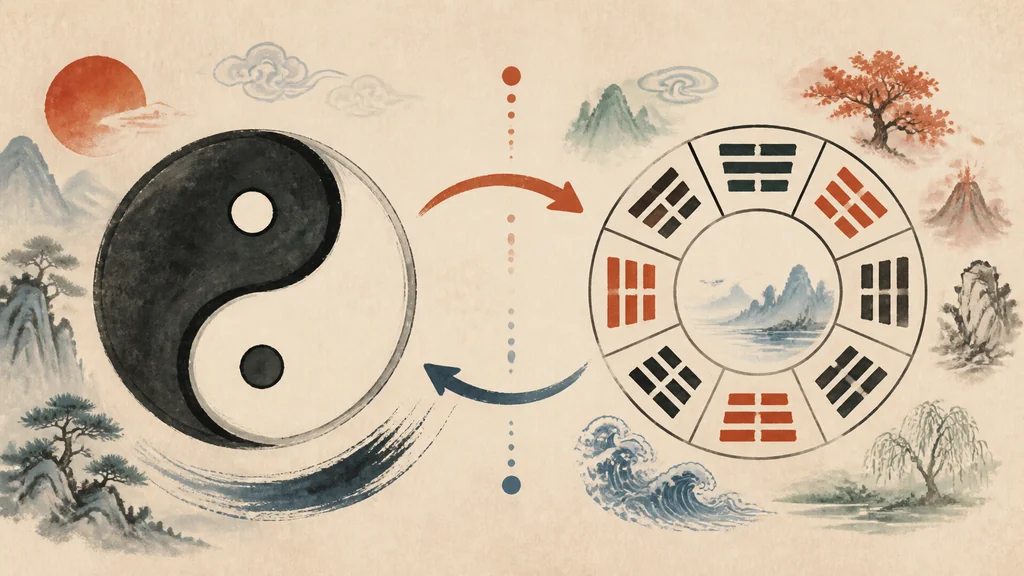
What Is the Difference Between the Yin-Yang Symbol and the Bagua?
The black-and-white taijitu depicts complementary change; the bagua consists of eight three-line trigrams used in several cosmological, textual and divinatory traditions. They are related but not interchangeable.
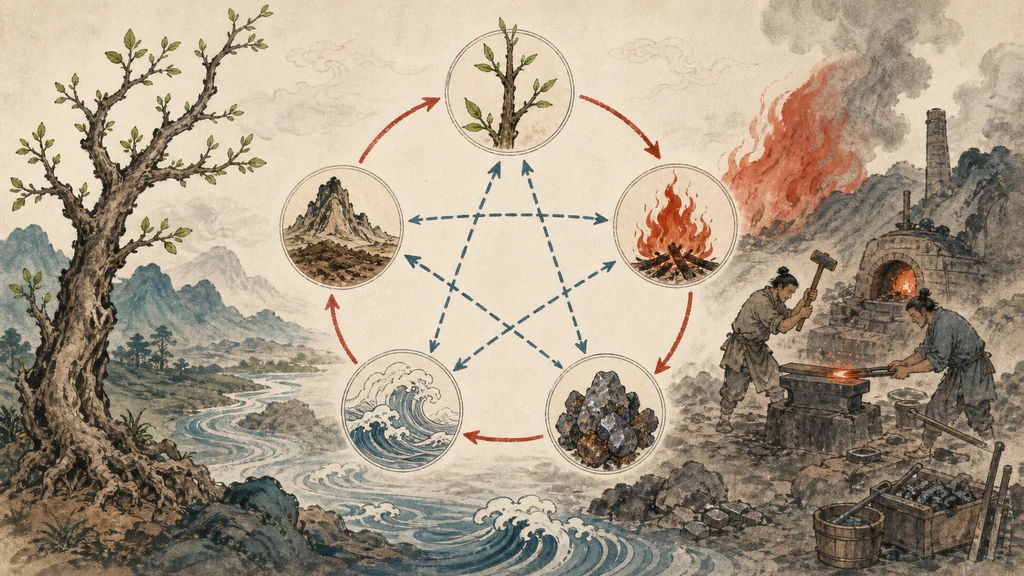
Why Are the Five Phases Not Simply Five Elements?
Wuxing names wood, fire, earth, metal and water, but the system is mainly about patterned processes, relationships and sequences. ‘Five phases’ often prevents the false picture of five permanent substances.
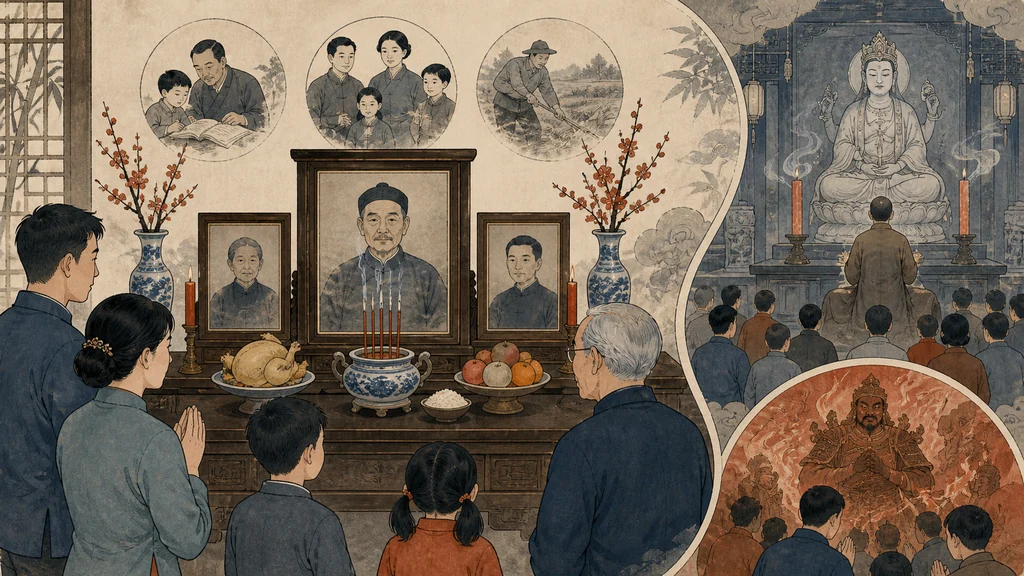
Is Ancestor Veneration the Same as Ancestor Worship?
Ancestor rites can express remembrance, kinship, gratitude, obligation and religious belief. Calling every act ancestor worship imports a narrower English category than many participants would use.
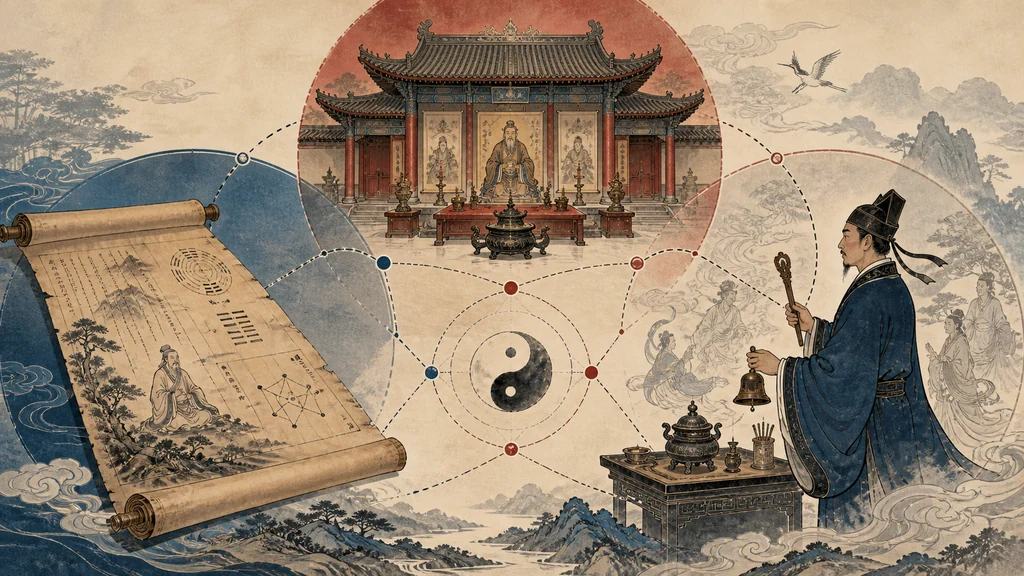
Daoism, Taoism, Daojia and Daojiao: What Is the Difference?
English uses Daoism for several related but non-identical things. The useful distinction is between changing scholarly labels, organised traditions, texts, communities and practices—not a simple philosophy-versus-religion split.