Explore the ideas, religious traditions and ritual concepts that shape how Chinese culture explains the world.
20 guides · Page 1/2
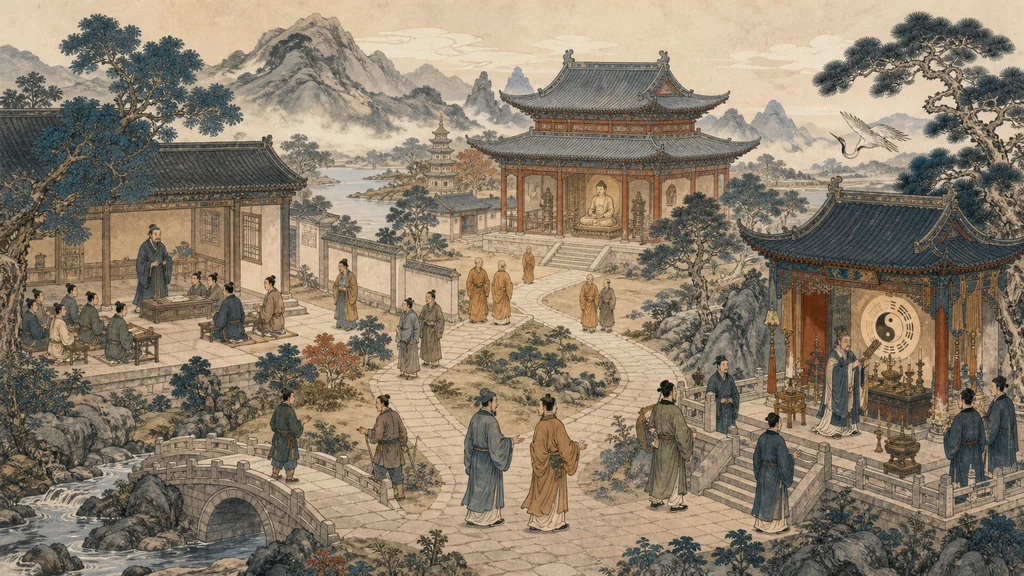
What Are China’s Three Teachings, and Did People Have to Choose One?
The Three Teachings—Confucianism, Buddhism and Daoism—were distinct traditions that competed, borrowed and were sometimes presented as complementary. Ordinary participation did not always require exclusive membership.
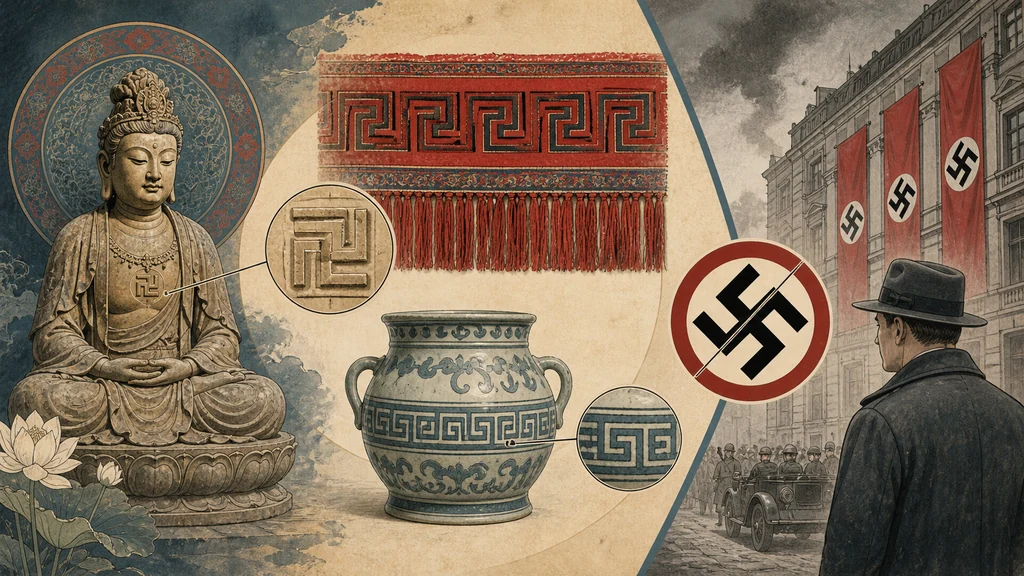
Why Does the Wan Symbol Appear in Chinese Buddhism and Decorative Art?
The wan sign has centuries-old Buddhist and decorative meanings in China, including auspiciousness, the Buddha’s qualities, multitude and continuity. Its history predates Nazi appropriation.
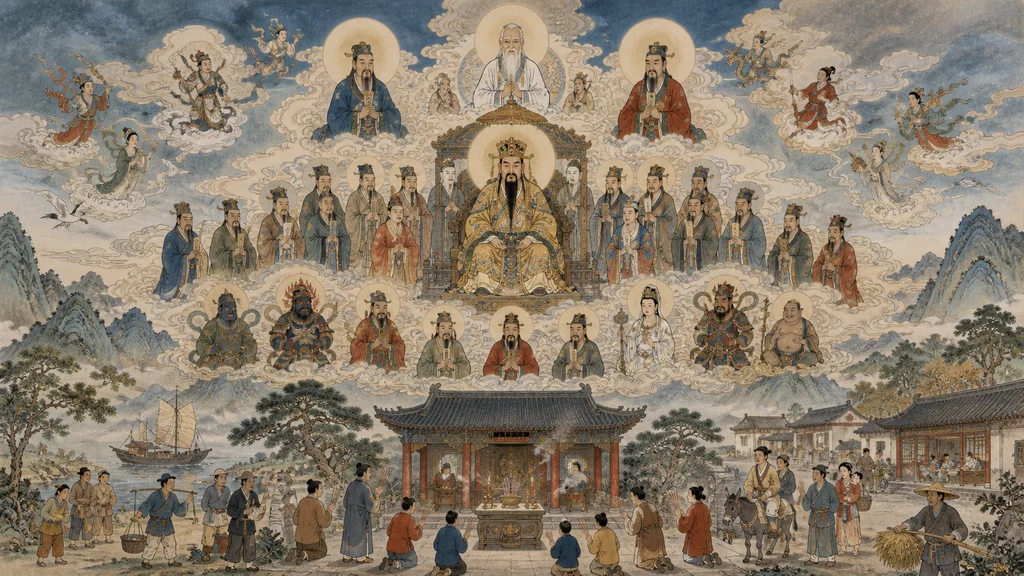
Is the Jade Emperor the Chinese Equivalent of God?
The Jade Emperor is a major ruler in parts of the Daoist and popular-religious pantheon, but he is not a universal creator god or the sole object of Chinese belief.
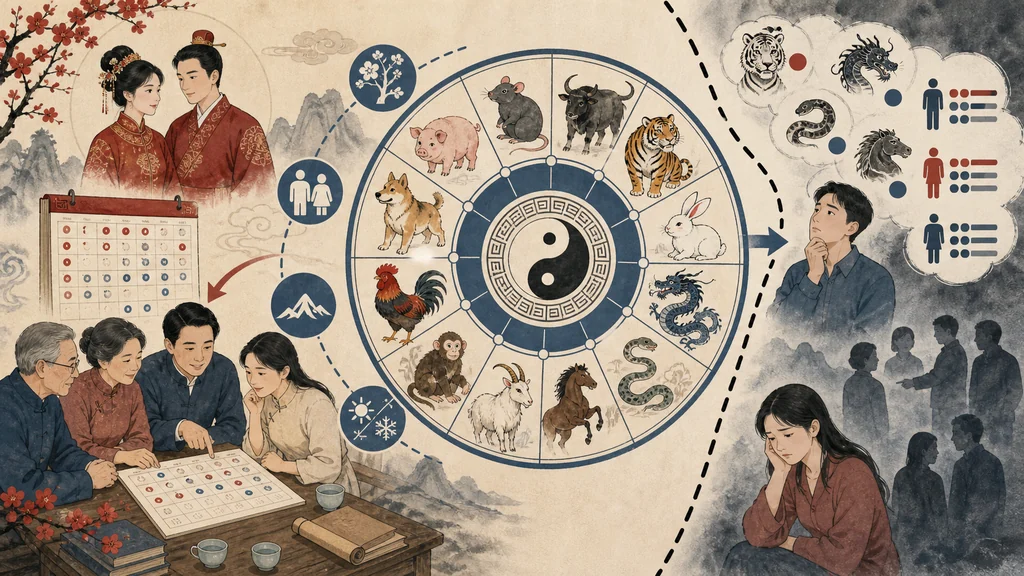
What Does It Mean When Two Chinese Zodiac Signs ‘Clash’?
A zodiac clash is a relationship inside calendrical and divinatory systems. It can influence choices, but it does not provide scientific evidence that two personalities or marriages are incompatible.
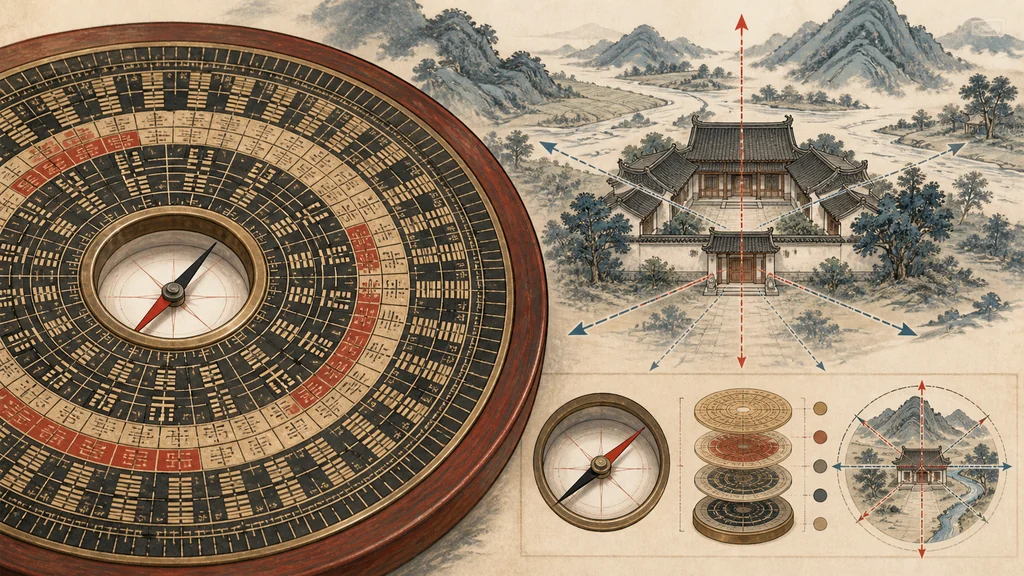
What Does a Feng Shui Compass Record?
A luopan combines a magnetic compass with concentric information rings. It records directions and traditional correlations; it does not directly measure a physical substance called luck or qi.
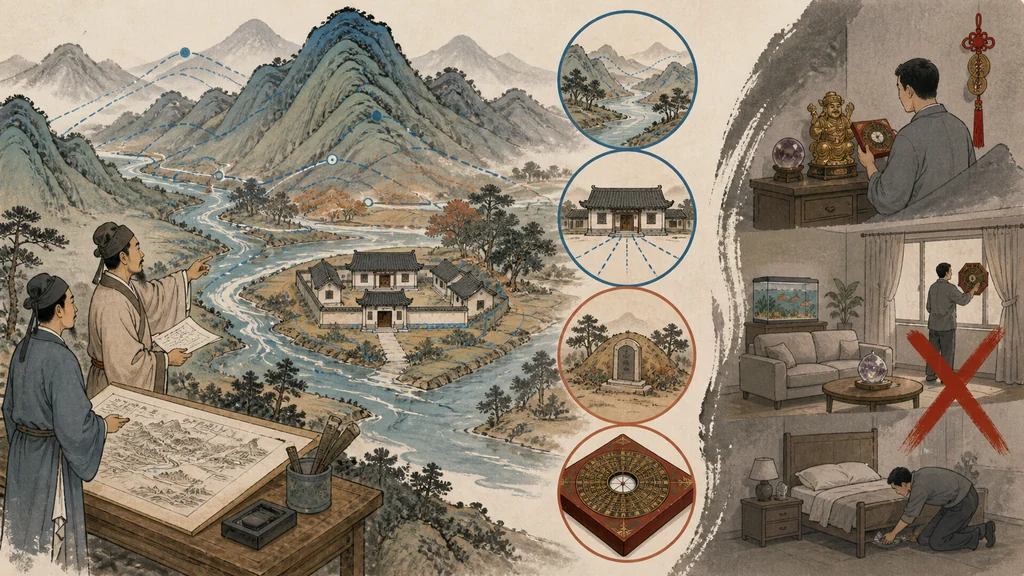
Is Feng Shui a Religion, a Design System, or a Form of Divination?
Feng shui is a family of site-assessment traditions using orientation, landform, time and cosmological correlations. It can accompany religion and divination without fitting neatly into either category.
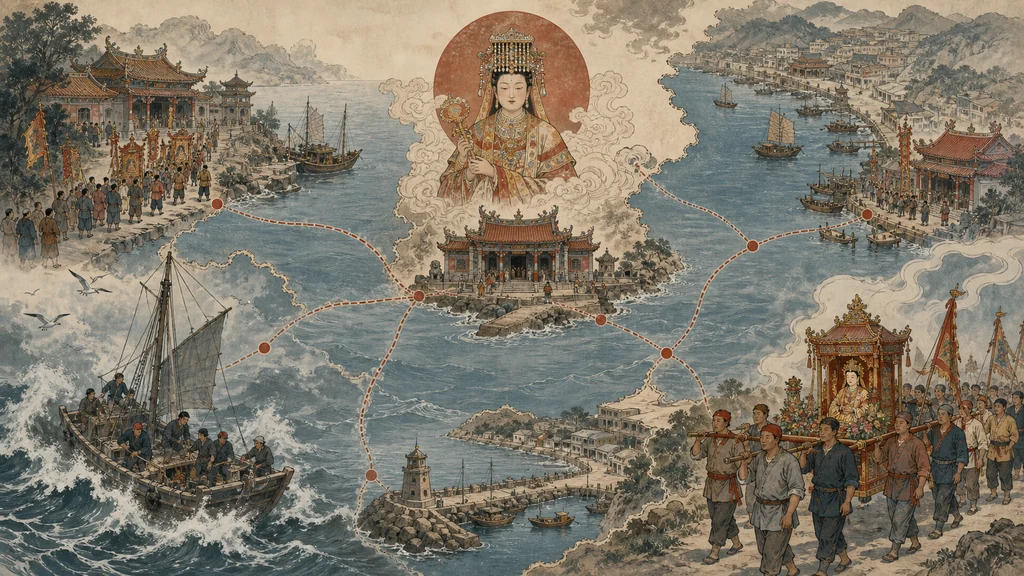
Why Is Mazu Worshipped as a Sea Goddess?
Mazu is a deified female protector associated with sailors, migrants and coastal communities. Her cult grew through local devotion, maritime networks and official recognition.
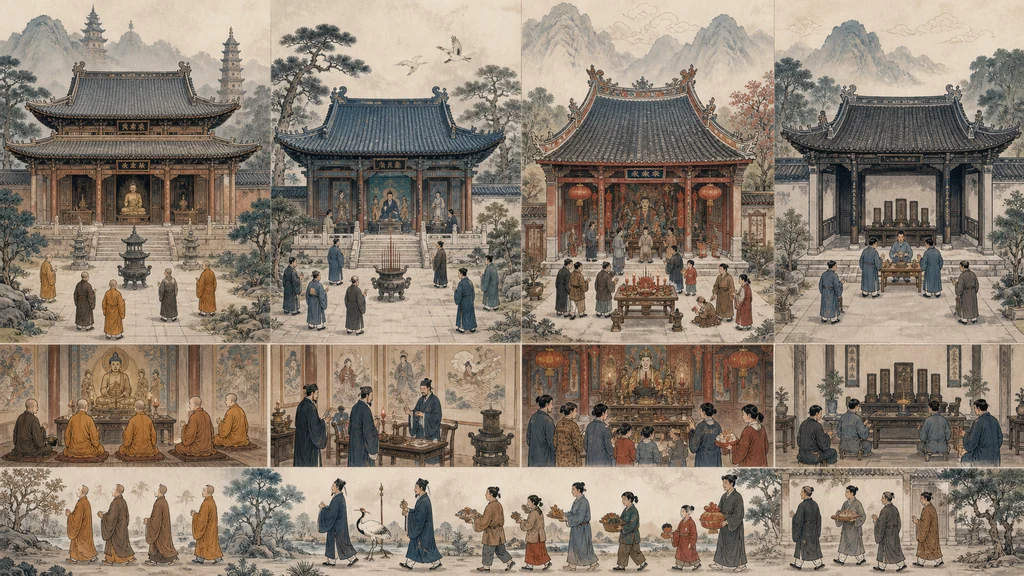
Temple, Monastery, Shrine or Ancestral Hall: What Is the Difference?
Chinese building names often indicate tradition or function: si commonly marks Buddhist monasteries, guan Daoist institutions, miao deity temples and ci ancestral or commemorative halls. Real names still vary.
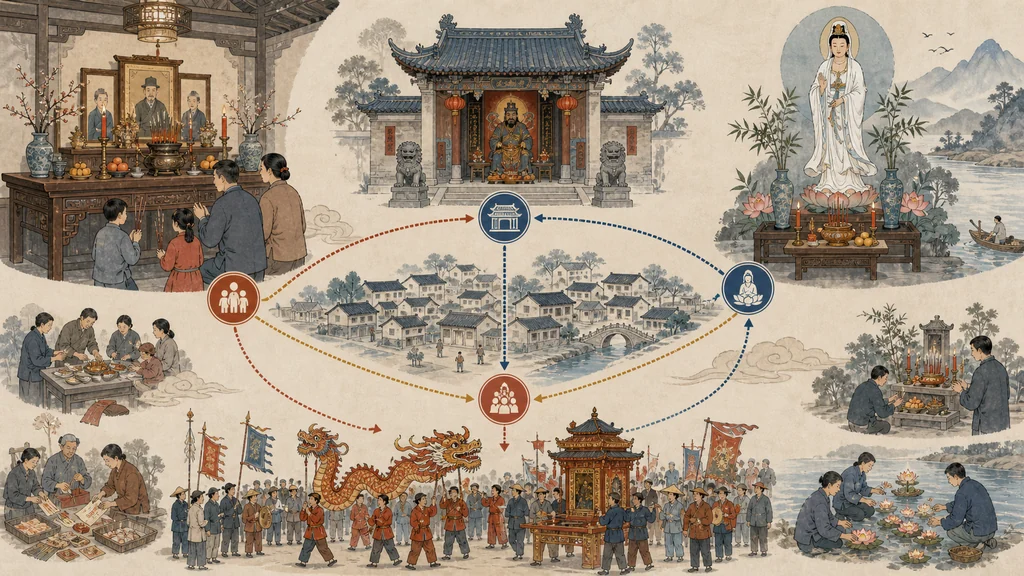
Why Can Chinese Folk Religion Include Many Different Gods?
Chinese popular religion often organises deities by place, responsibility, relationship and efficacy rather than demanding exclusive allegiance to one god.
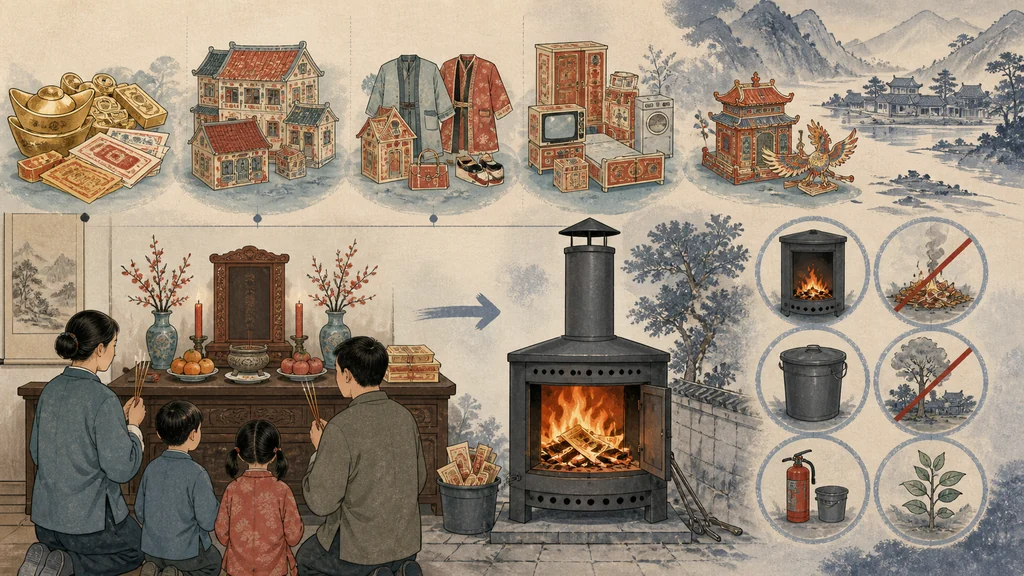
Why Is Paper Money Burned for the Dead?
Burning paper offerings sends material care into an imagined otherworld and maintains obligations to the dead. It is a varied ritual practice, not evidence that all Chinese people share one afterlife map.
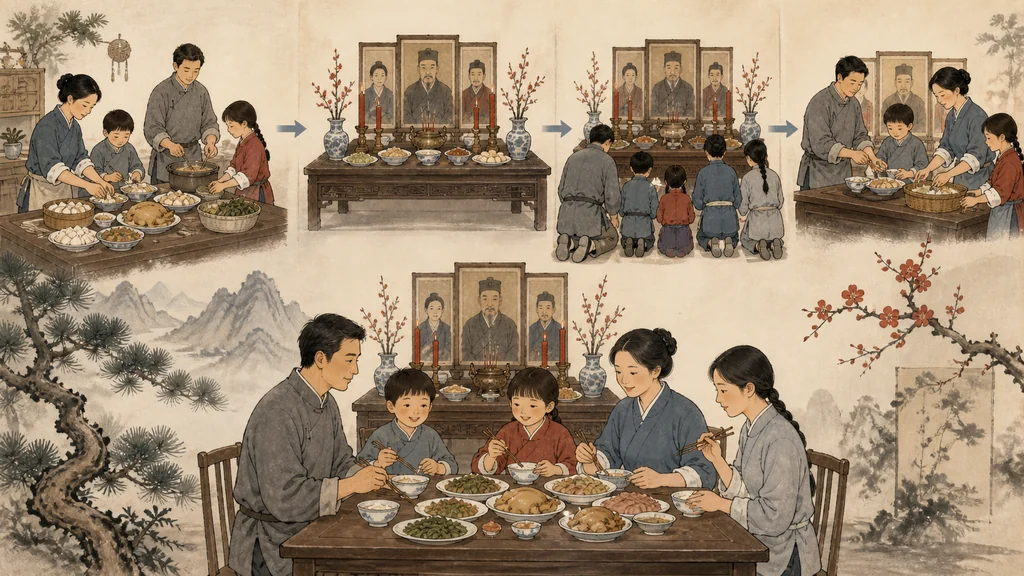
Why Are Offerings of Food Made to Ancestors?
Food and drink extend hospitality, memory and family reciprocity across death. They may be treated as spiritually received, symbolically shared or both, depending on the family.
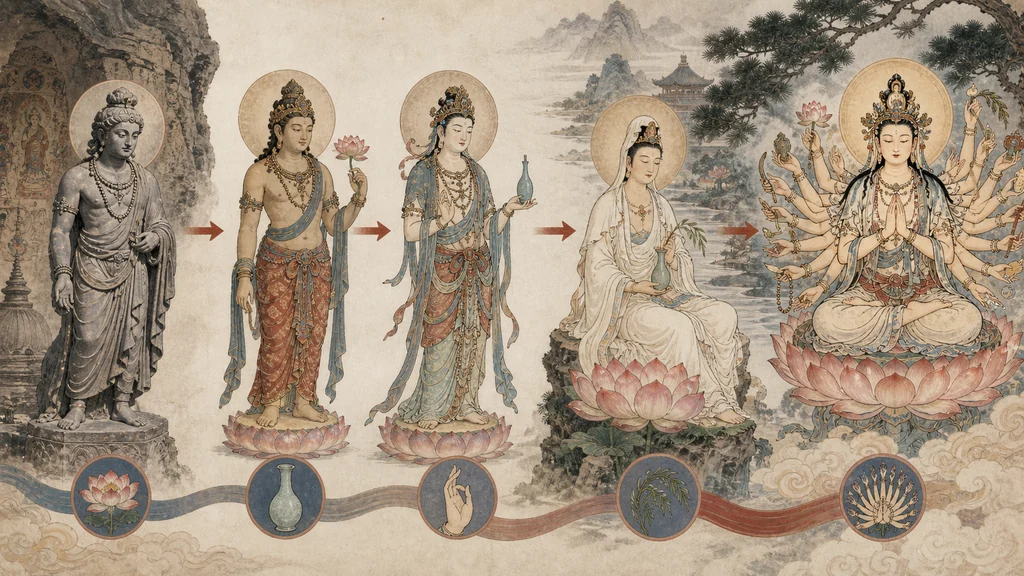
Why Is Guanyin Often Shown as Female in Chinese Art?
Guanyin developed from the bodhisattva Avalokiteshvara, often male in early Indian art. Chinese images increasingly used feminine forms, while Buddhist texts allow compassionate appearance in many bodies.