Read animals, plants, colours, characters and auspicious combinations in their documented contexts.
36 guides · Page 1/3
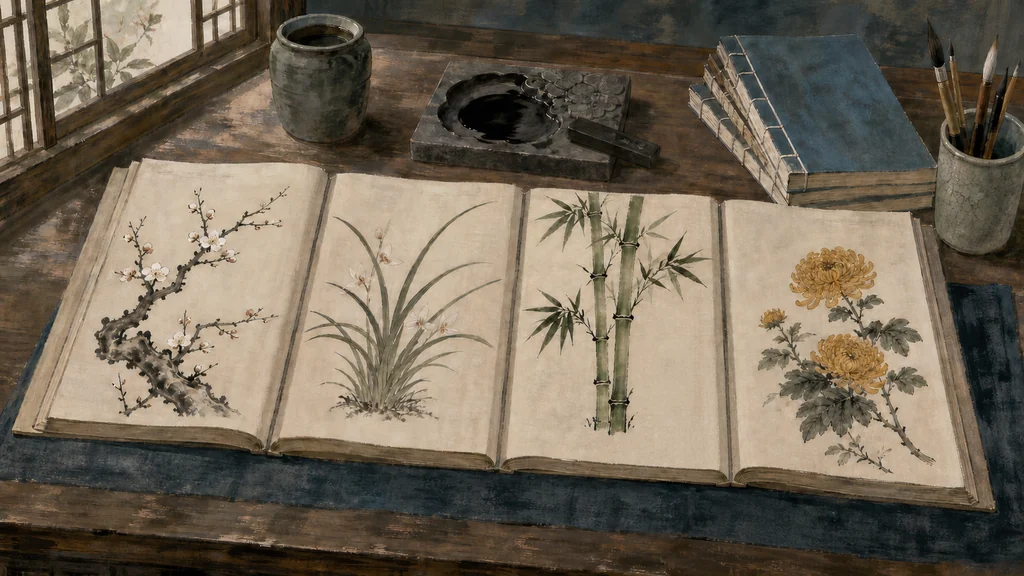
Why Are Plum, Orchid, Bamboo, and Chrysanthemum Called the Four Gentlemen?
Learn why plum, orchid, bamboo and chrysanthemum became the Four Gentlemen, how painting manuals stabilized the group, and how to identify it.
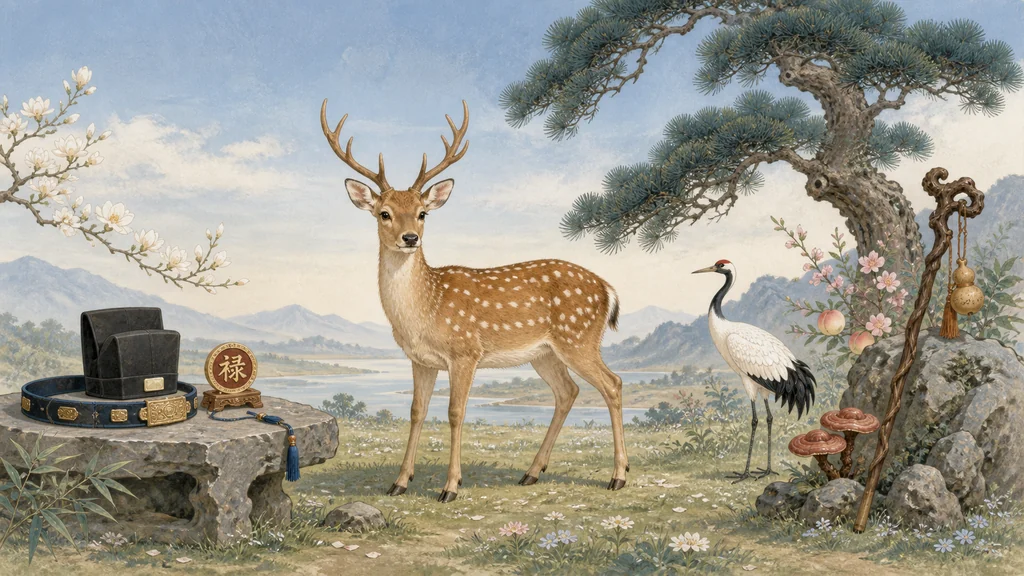
What Does a Deer Symbolize in Chinese Art?
Learn why deer can signal official rewards, accompany Shoulao and Magu, or join cranes in Chinese longevity art—and why context changes the reading.
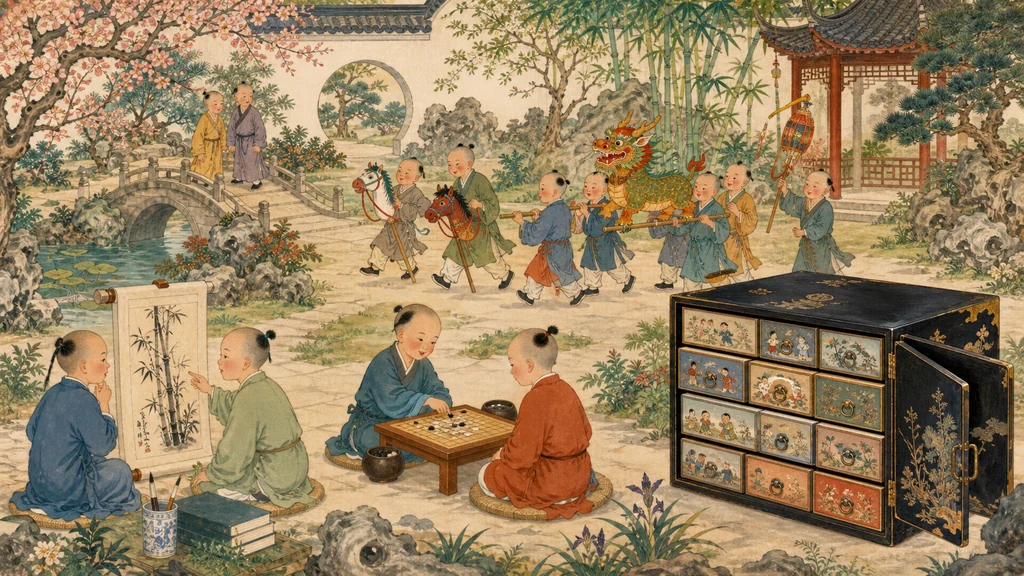
Why Do Chinese “Hundred Boys” Pictures Show So Many Children?
Learn what China’s Hundred Boys pictures wished for, why the children play at adult roles, and whether every scene literally contains one hundred boys.
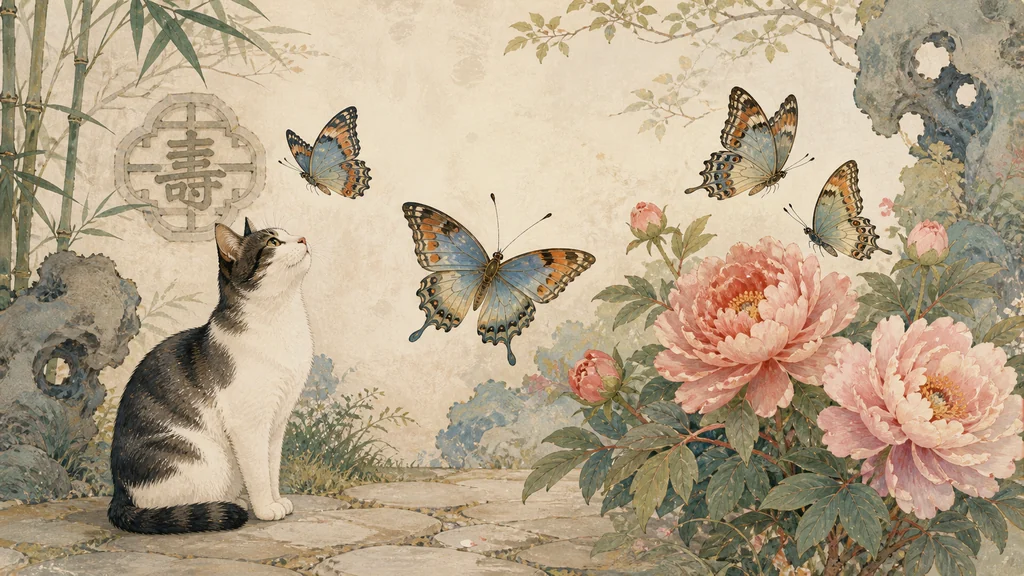
What Do Butterflies Symbolize in Chinese Art?
Learn why butterflies can signal longevity, love, or weddings in Chinese art—and how cats, flowers, pairs, words, and occasion change the reading.
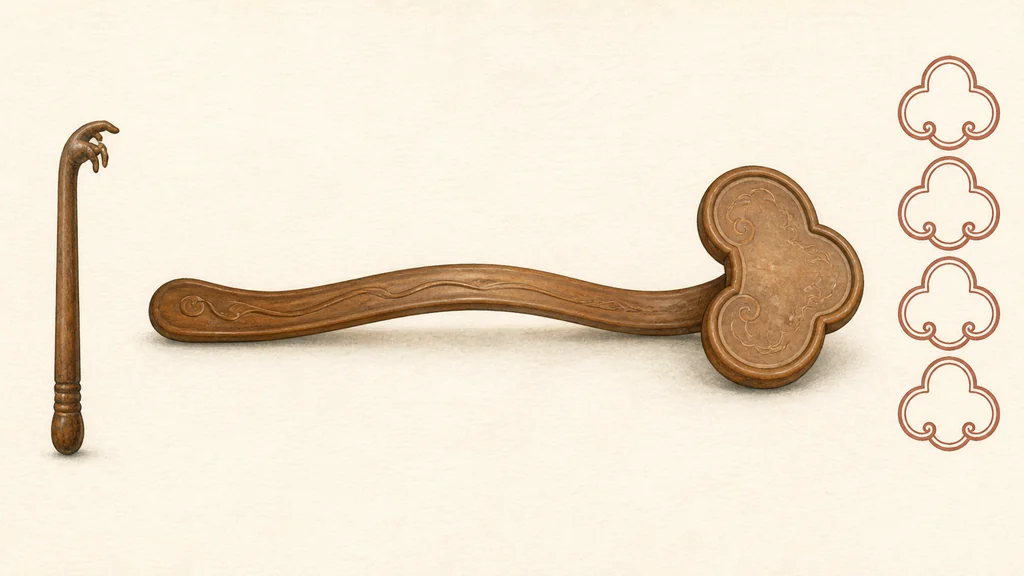
What Is a Ruyi Scepter, and Why Does It Mean “As You Wish”?
Learn how to recognize a Chinese ruyi scepter, why its name means “as you wish,” and how a handled object became a Qing court gift and motif.
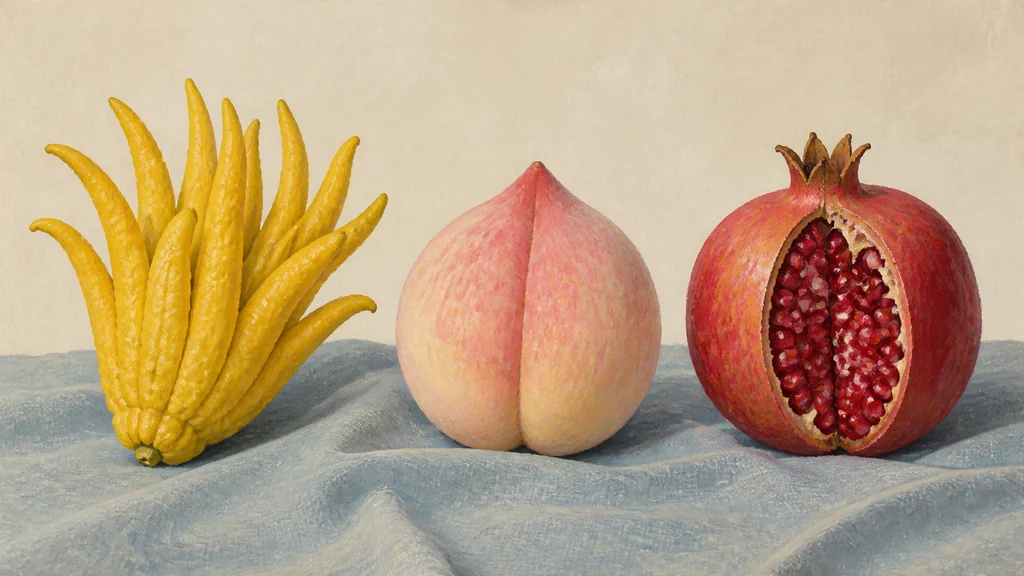
What Are the Three Abundances in Chinese Art?
Learn how Buddha’s-hand citron, peach, and pomegranate form the Three Abundances—and why a documented Ming version replaces the citron with a persimmon.
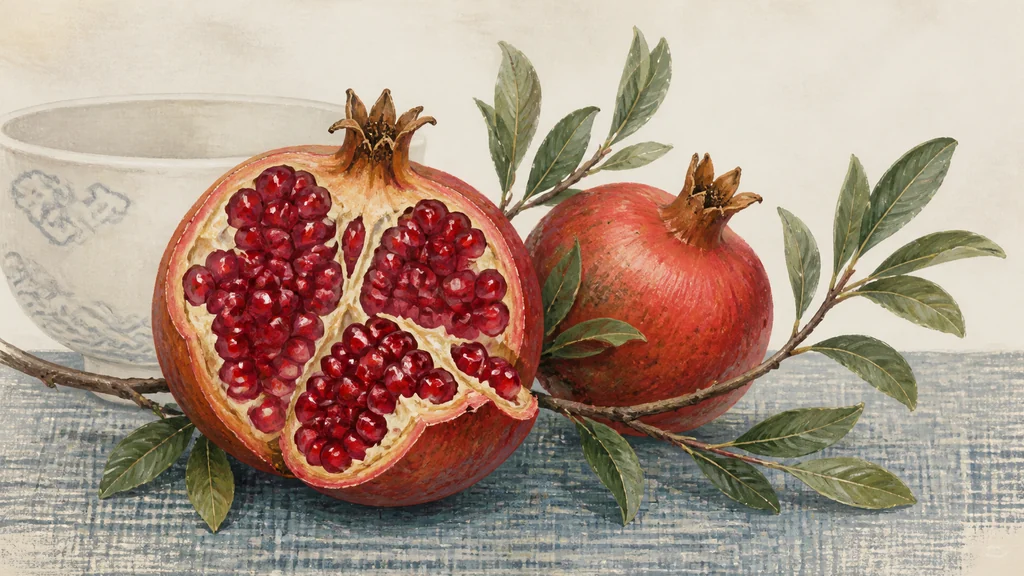
Why Do Pomegranates Symbolize Many Children in Chinese Art?
Discover why split pomegranates symbolize many descendants in Chinese art, how the seed–son wordplay works, and why historical labels often say many sons.
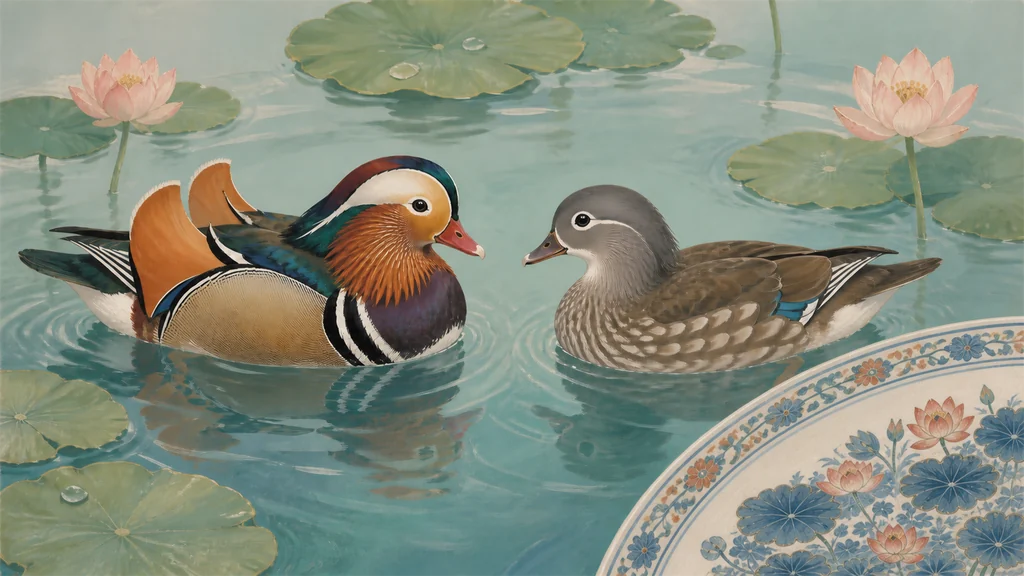
Why Do Mandarin Ducks Symbolize Marriage in Chinese Art?
Learn how paired mandarin ducks became images of marital harmony through poetry and wedding objects—and why mates for life is not literal biology.
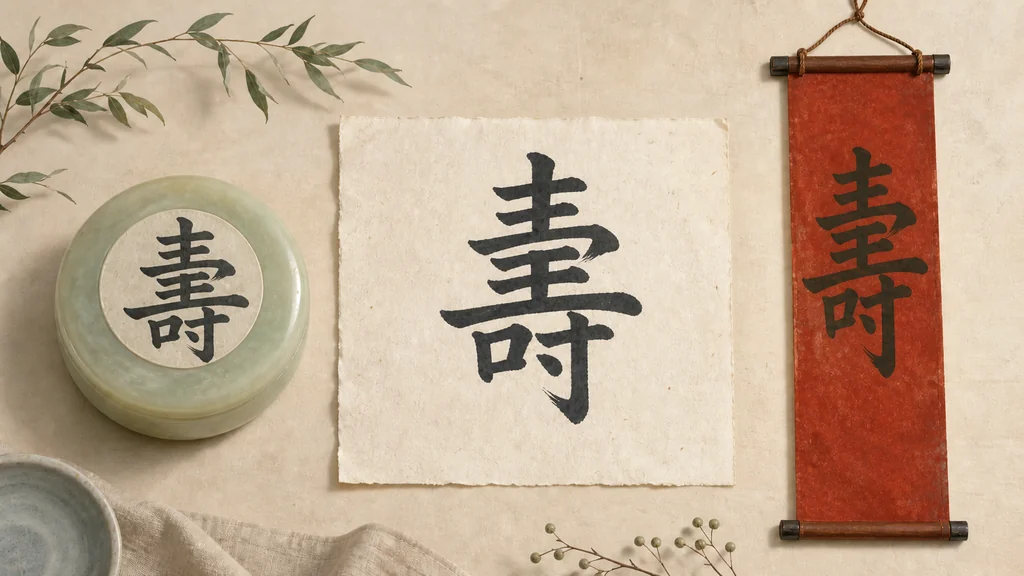
Why Does the Chinese Longevity Character Have So Many Forms?
See how calligraphy, object shape, round and elongated designs, and Hundred Shou compositions turn one longevity character into many forms.
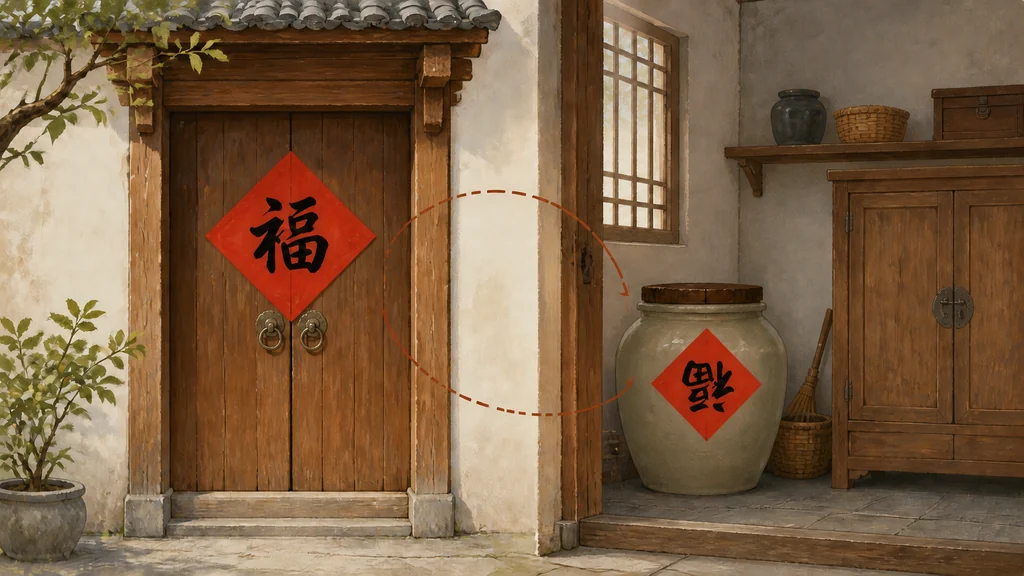
Why Is the Chinese Fu Character Sometimes Upside Down?
Learn how inverted 福 turns ‘fu is upside down’ into ‘fortune has arrived,’ and why New Year placement rules vary by region and setting.
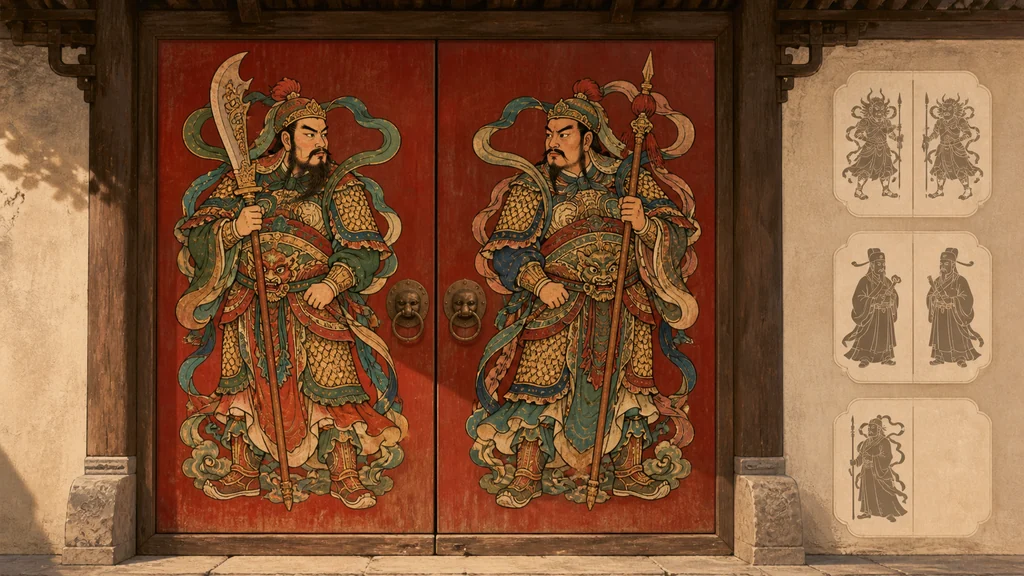
Who Are the Two Chinese Door Gods?
Meet Qin Qiong and Yuchi Gong, the best-known paired Chinese door gods, and learn why other doors may show different guardians.
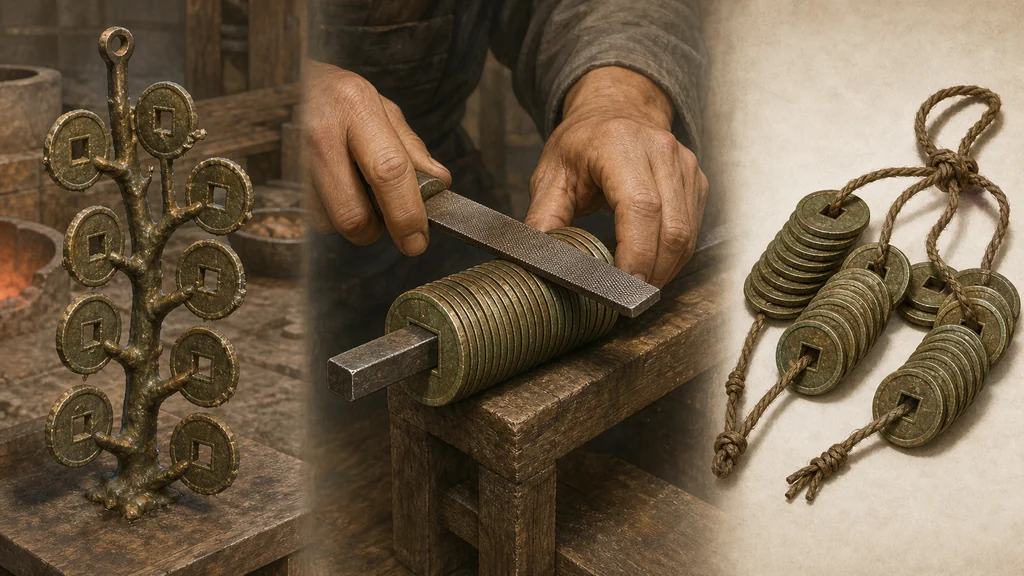
Why Do Old Chinese Coins Have Square Holes?
Square holes helped mint workers file cast Chinese coins on a square rod and later made the coins easy to string. Learn what Qin standardized—and what it did not invent.