Understand the occasions, social practices and seasonal traditions behind familiar Chinese customs.
20 guides · Page 2/2
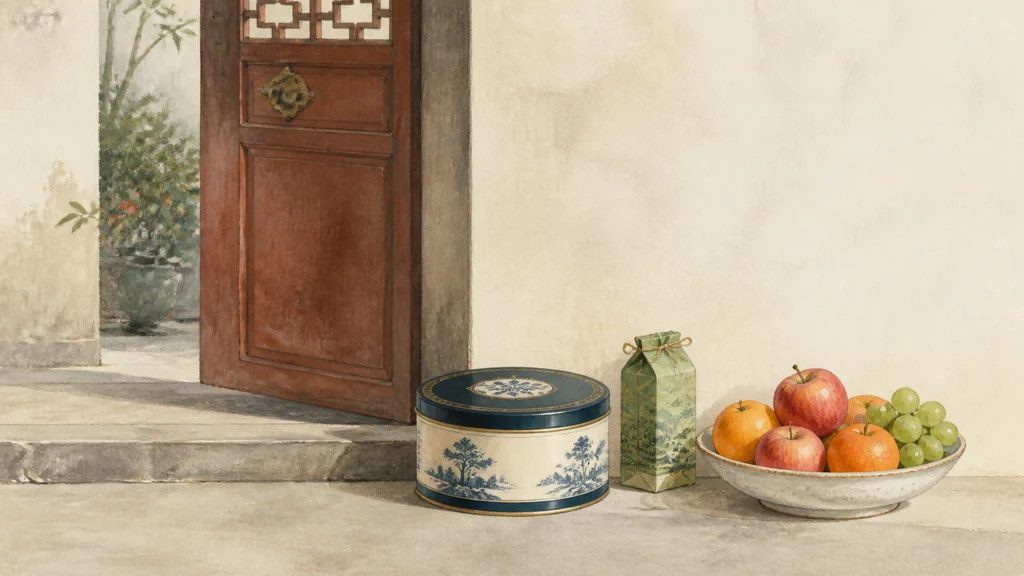
What Should You Bring When Visiting a Chinese Home?
A modest, shareable gift is usually safer than an expensive or highly personal object.
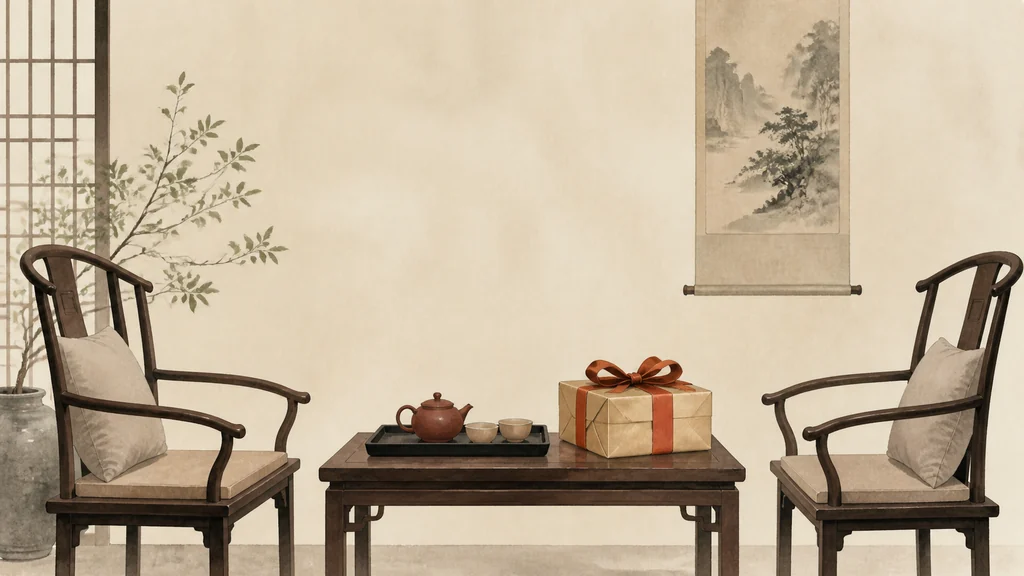
Why Didn’t My Chinese Host Open My Gift?
Opening a gift later can show restraint and keep attention on the relationship rather than the object's price.
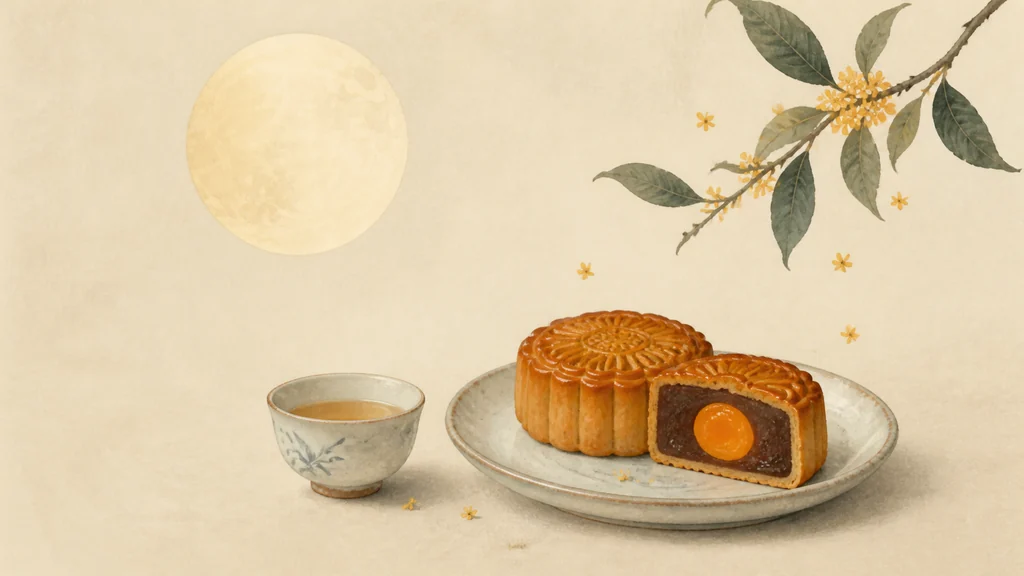
What Is the Mid-Autumn Festival, and Why Do People Eat Mooncakes?
The Mid-Autumn Festival joins the full moon, family reunion and round shared cakes—but no single legend explains the entire custom.
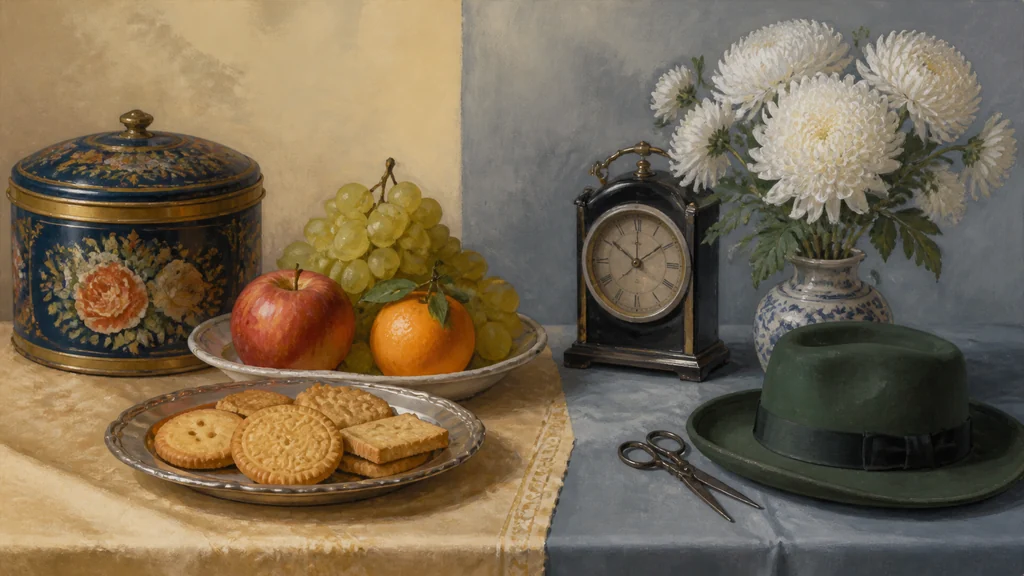
What Gifts Should You Avoid Giving to a Chinese Person?
Clocks, sharp objects and a few other gifts can carry unwanted wordplay or ritual associations—but context matters more than a superstition checklist.
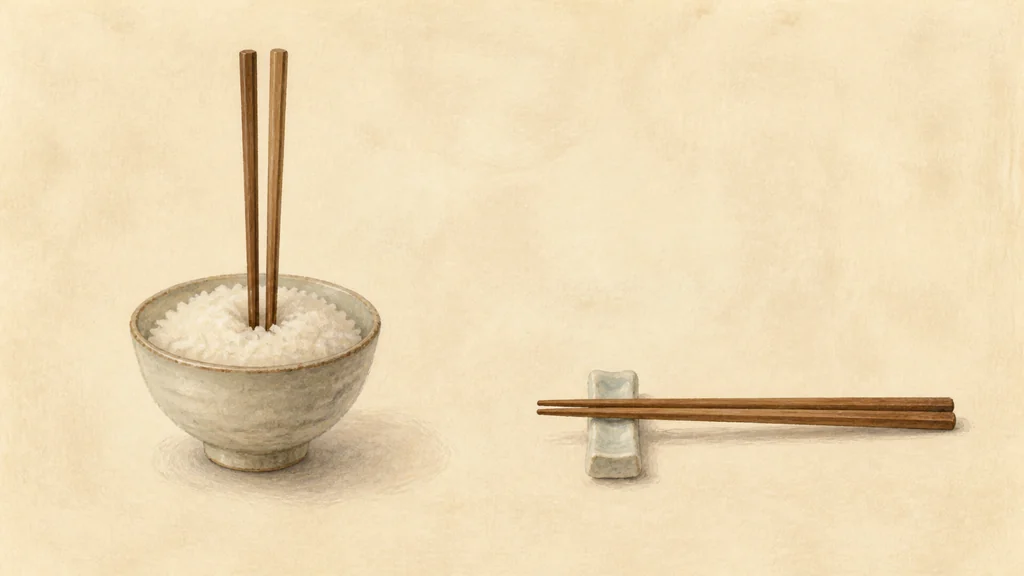
Why Shouldn’t You Leave Chopsticks Standing in Rice?
Upright chopsticks can resemble incense placed in offerings for the dead, so the arrangement feels funerary rather than casual.
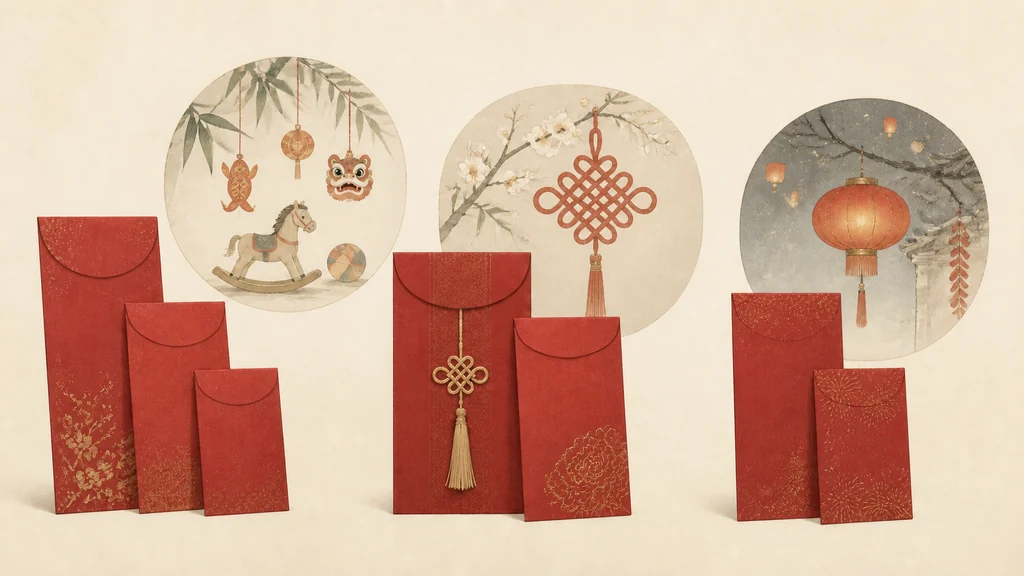
Chinese Red Envelope Etiquette: When to Give One and What to Put Inside
Red envelopes mark particular relationships and occasions. The right contents depend more on context than on a universal lucky amount.
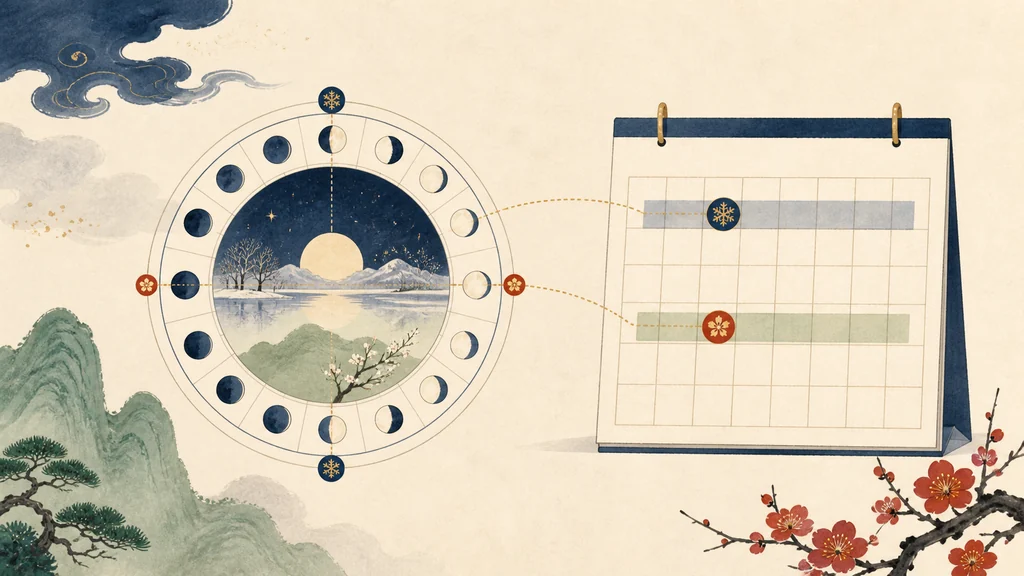
Why Does Chinese New Year Fall on a Different Date Each Year?
Chinese New Year moves on the British calendar because the Chinese calendar coordinates lunar months with the solar year.
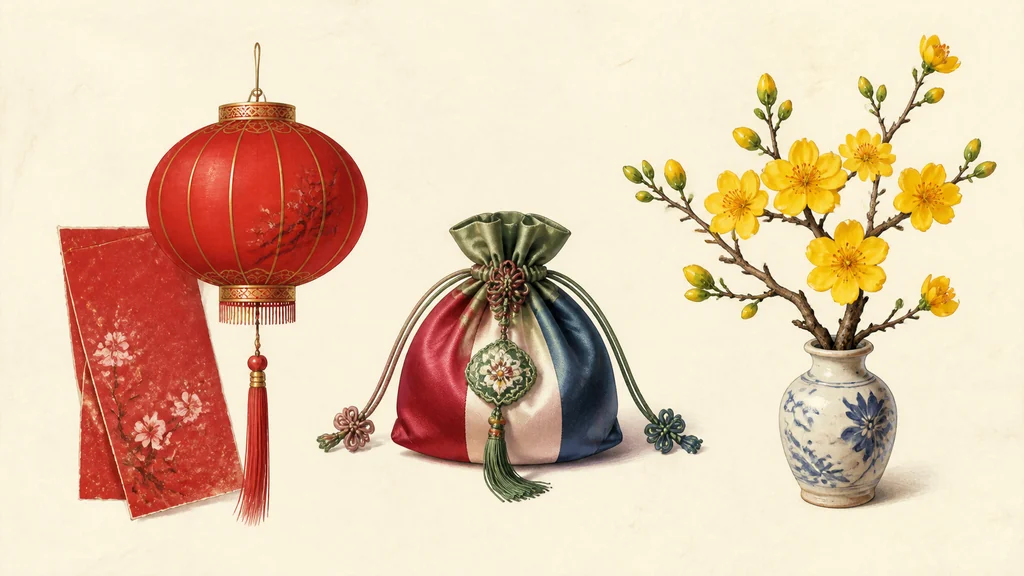
Should You Say Chinese New Year or Lunar New Year?
Both names can be right. The useful choice depends on whether you mean the Chinese festival specifically or several communities' new-year traditions together.