All guides · Characters and wordplay
9 guides · Page 1/1
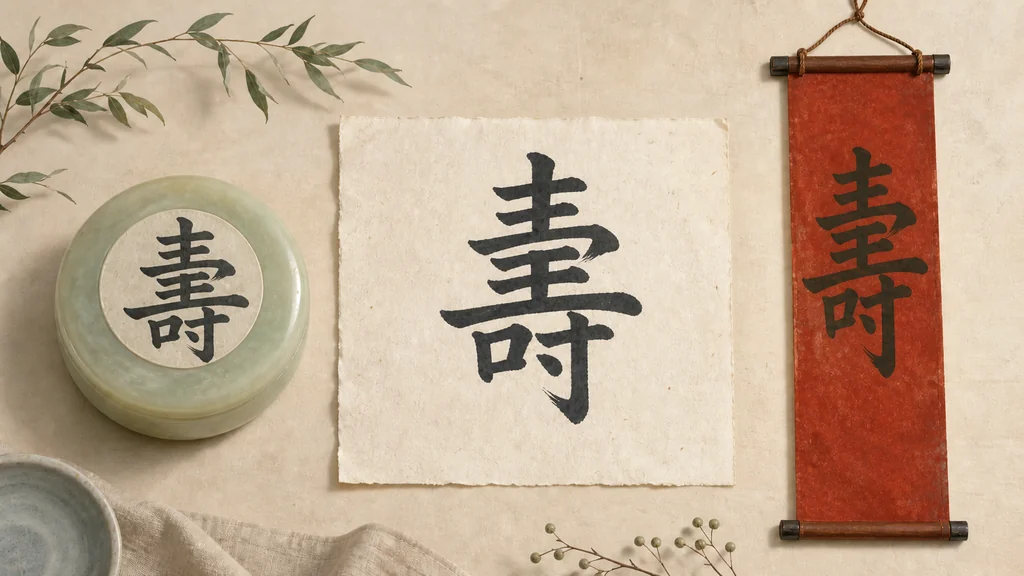
Why Does the Chinese Longevity Character Have So Many Forms?
See how calligraphy, object shape, round and elongated designs, and Hundred Shou compositions turn one longevity character into many forms.
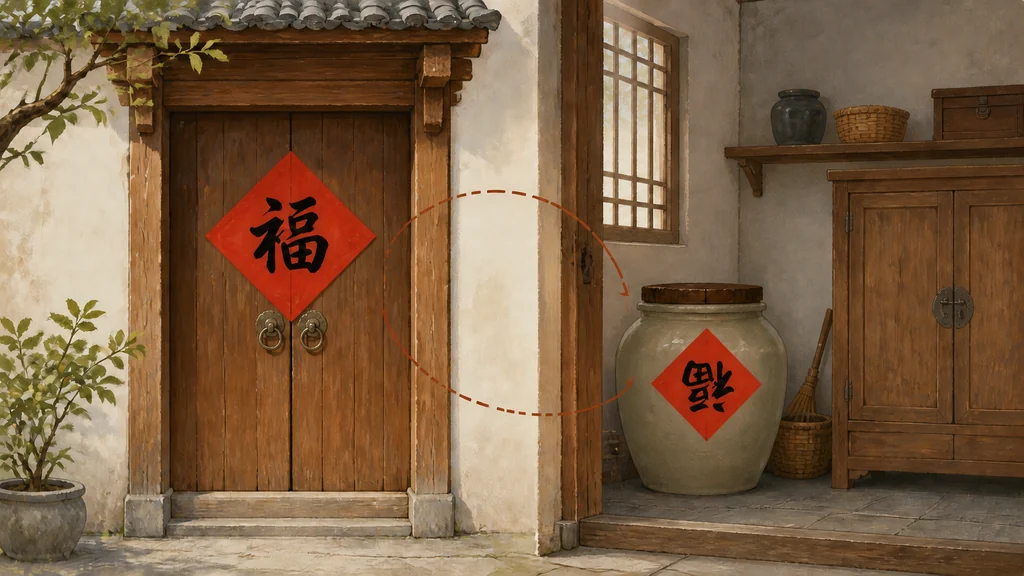
Why Is the Chinese Fu Character Sometimes Upside Down?
Learn how inverted 福 turns ‘fu is upside down’ into ‘fortune has arrived,’ and why New Year placement rules vary by region and setting.
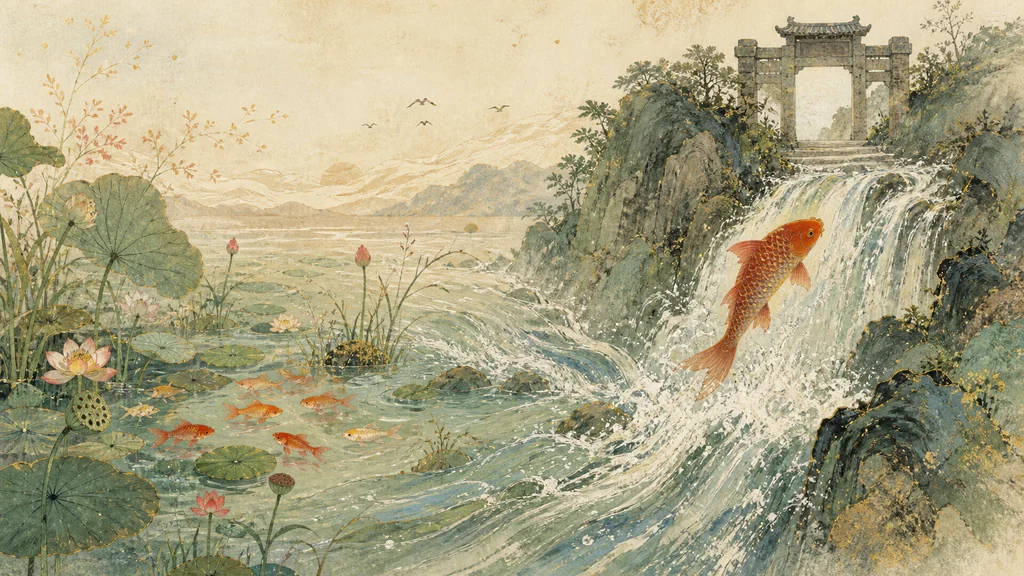
Fish for Abundance or Carp at the Dragon Gate?
Tell an abundance rebus from the carp-at-Dragon-Gate story by reading the fish, its movement, setting and object together.
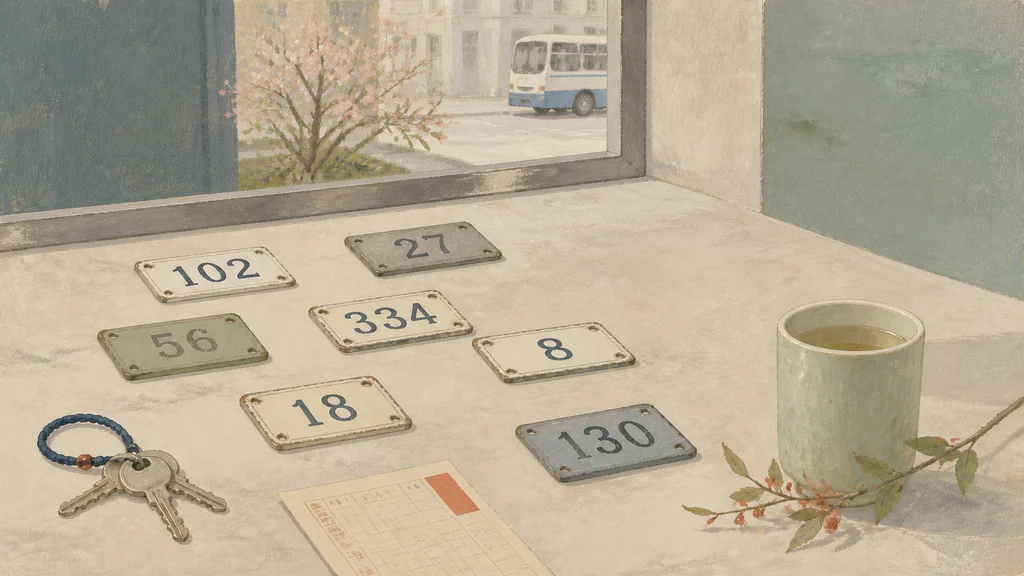
Why Eight Is Considered Lucky in China
Learn why eight is linked with prosperity, why Cantonese matters, and how the preference appears in prices, plates and public dates.
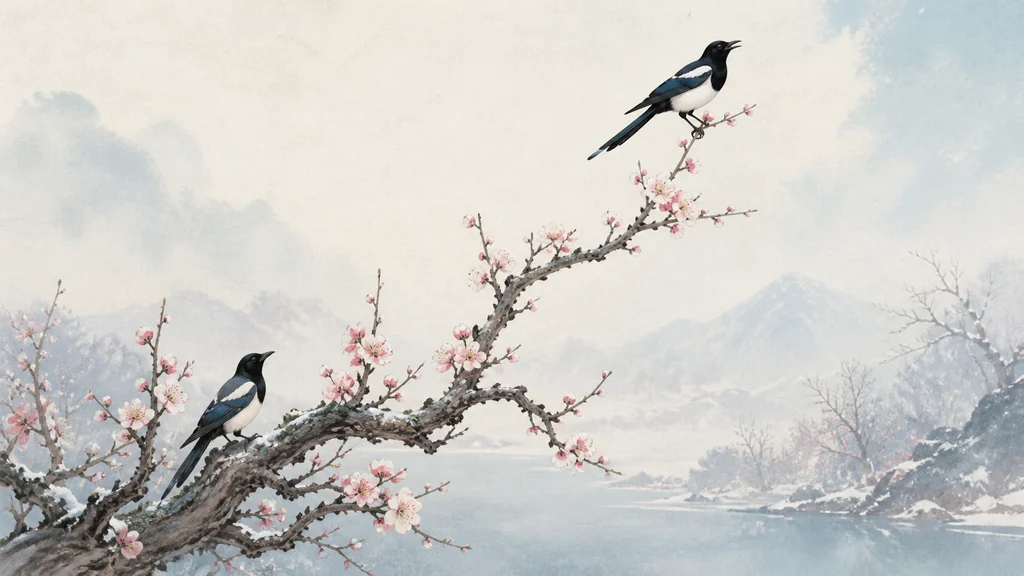
Why a Magpie on Plum Blossoms Means Joy Up to the Eyebrows
See how a magpie, a plum branch and the bird's position create the Chinese phrase for happiness written all over one's face.
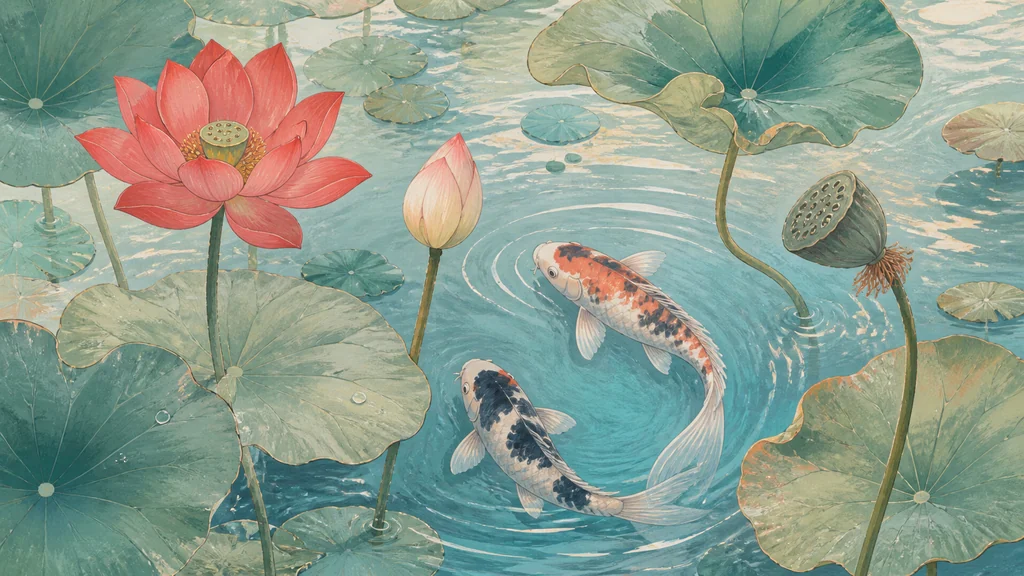
Why Lotus and Fish Mean Abundance Year After Year
How lotus and fish create the Chinese wish for abundance year after year, and why not every lotus-pond image carries the same meaning.
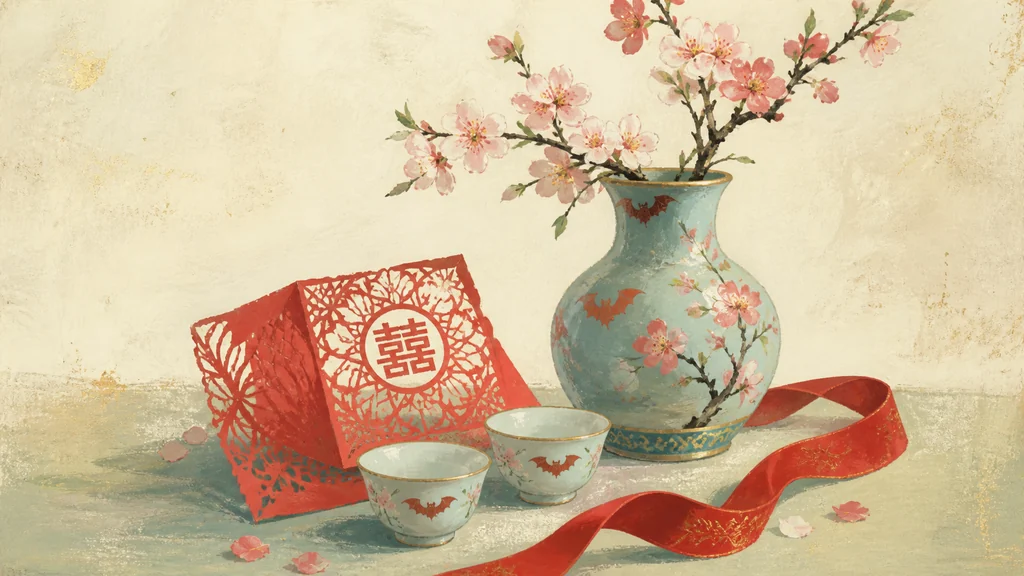
What the Chinese Double Happiness Symbol Means
Learn how 囍 joins two forms of joy into a Chinese wedding emblem, where it appears, and why its Wang Anshi origin story remains a legend.
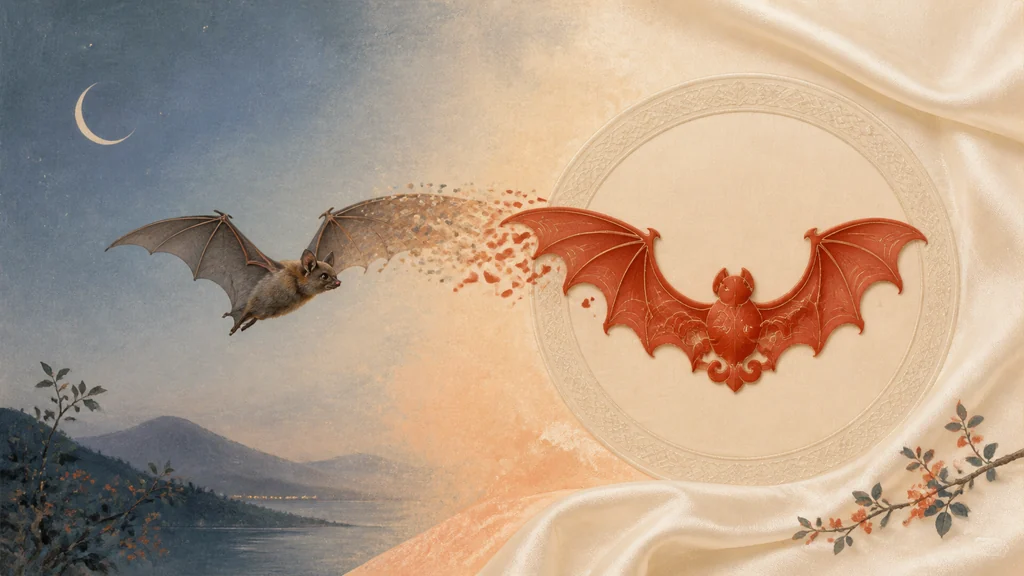
Why Do Bats Mean Good Fortune in Chinese Art?
Learn how the fu homophone turns bats into blessings, why five bats evoke the Five Blessings, and how surrounding motifs complete the design.
How Chinese Rebus Designs Turn Objects into Auspicious Phrases
A vase, a halberd, and a stone chime reveal how sound, established pairings, and historical records shape Chinese auspicious designs.