All guides · Auspicious combinations
13 guides · Page 1/2
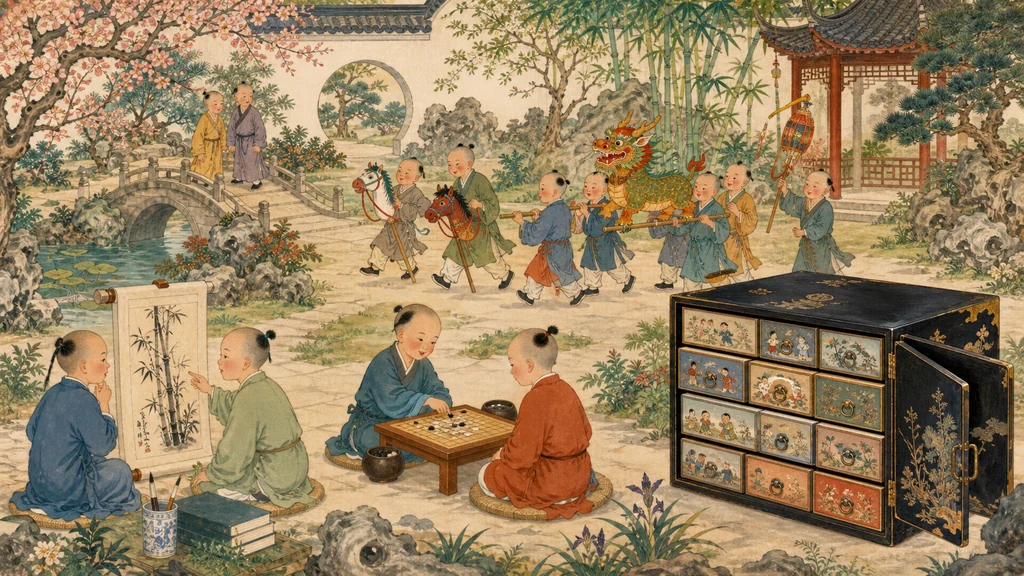
Why Do Chinese “Hundred Boys” Pictures Show So Many Children?
Learn what China’s Hundred Boys pictures wished for, why the children play at adult roles, and whether every scene literally contains one hundred boys.
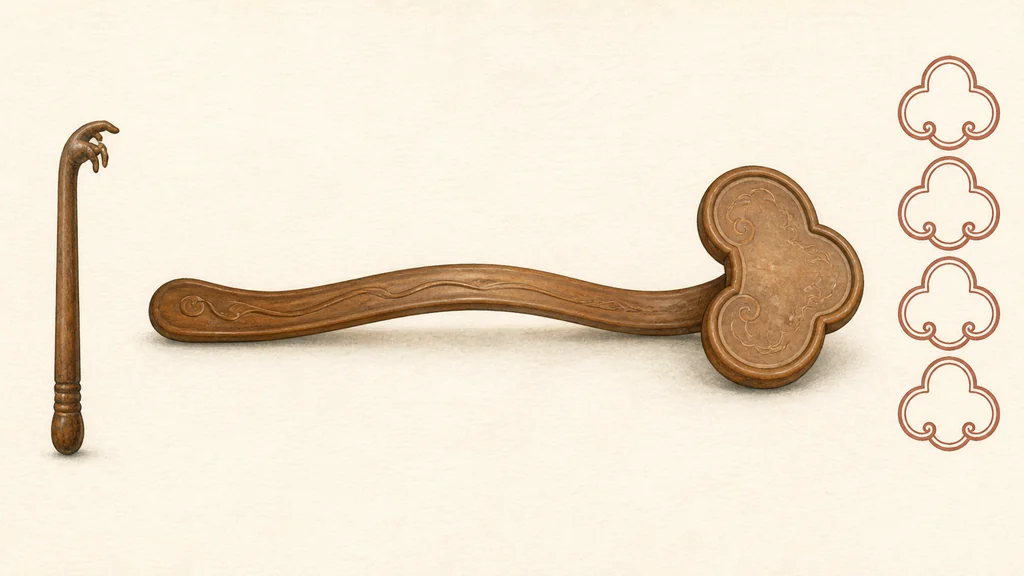
What Is a Ruyi Scepter, and Why Does It Mean “As You Wish”?
Learn how to recognize a Chinese ruyi scepter, why its name means “as you wish,” and how a handled object became a Qing court gift and motif.
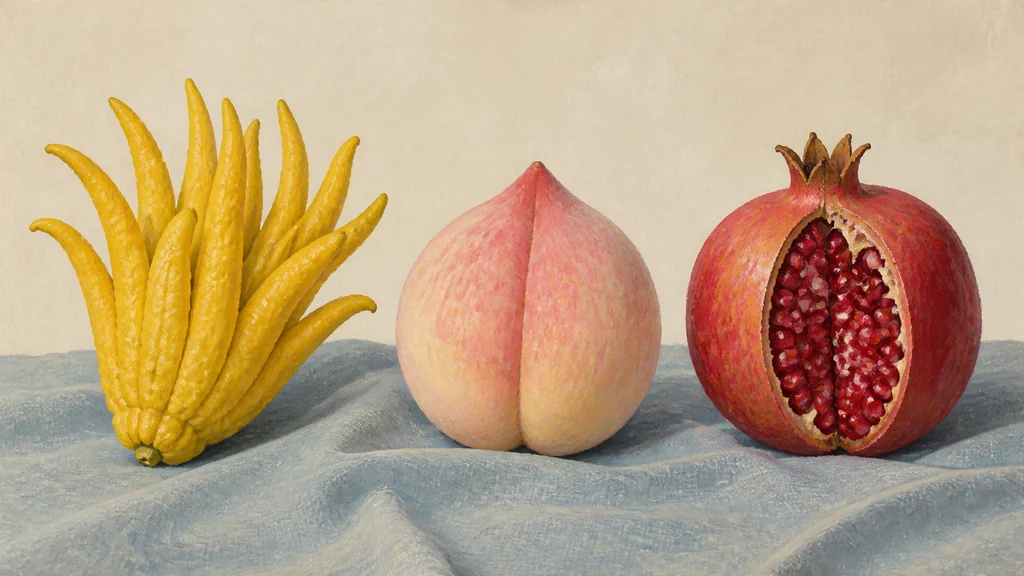
What Are the Three Abundances in Chinese Art?
Learn how Buddha’s-hand citron, peach, and pomegranate form the Three Abundances—and why a documented Ming version replaces the citron with a persimmon.
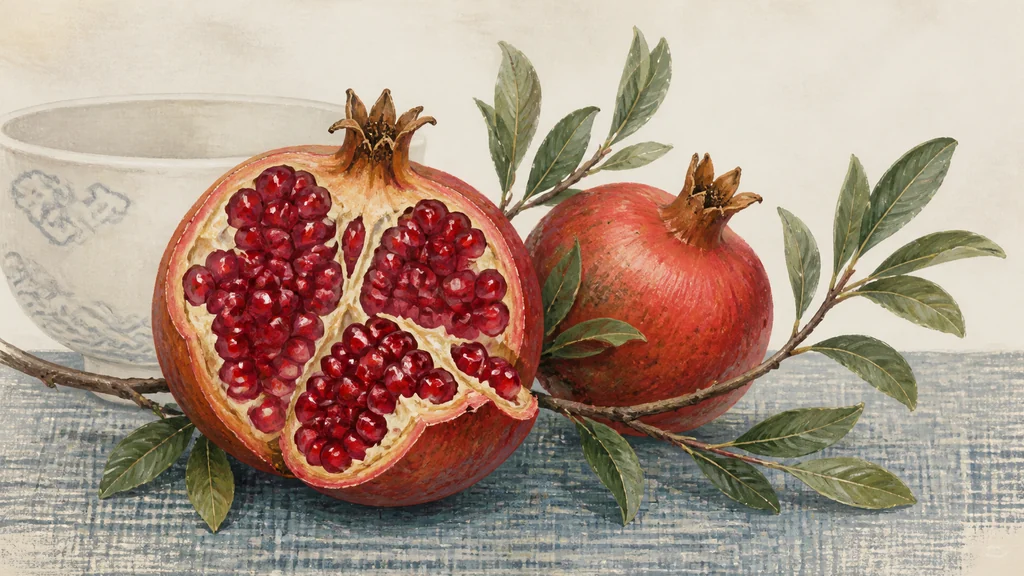
Why Do Pomegranates Symbolize Many Children in Chinese Art?
Discover why split pomegranates symbolize many descendants in Chinese art, how the seed–son wordplay works, and why historical labels often say many sons.
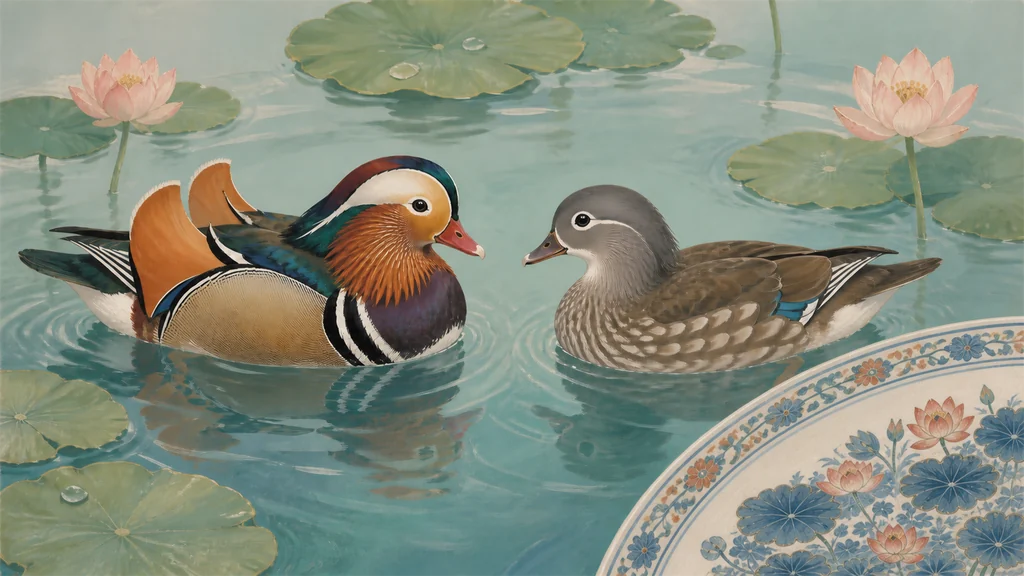
Why Do Mandarin Ducks Symbolize Marriage in Chinese Art?
Learn how paired mandarin ducks became images of marital harmony through poetry and wedding objects—and why mates for life is not literal biology.
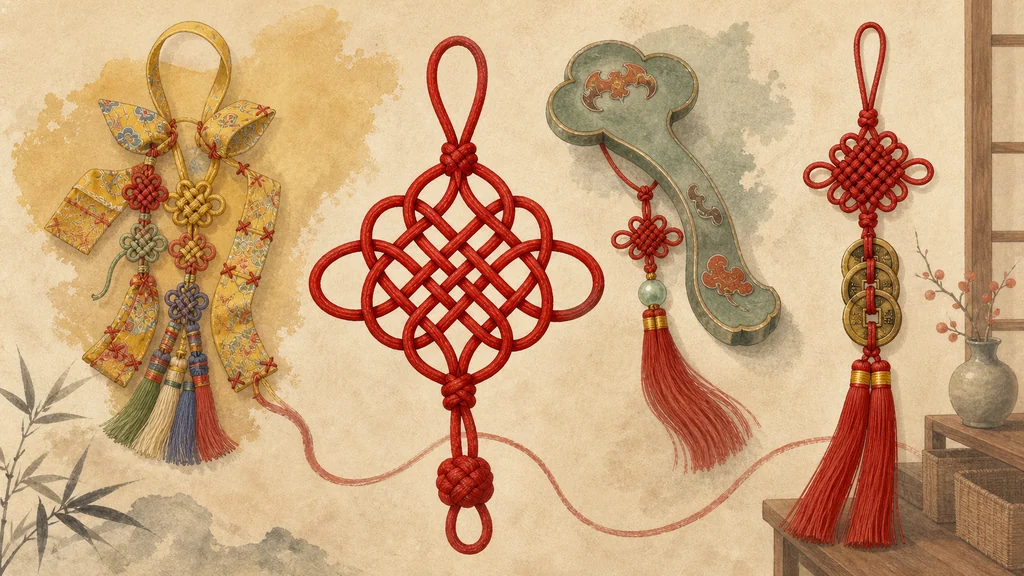
What Does a Chinese Knot Mean—and Do Different Knots Have Fixed Meanings?
Chinese knots do not share one fixed meaning. Learn how structure, knot names, colour, attached objects and setting create different associations.
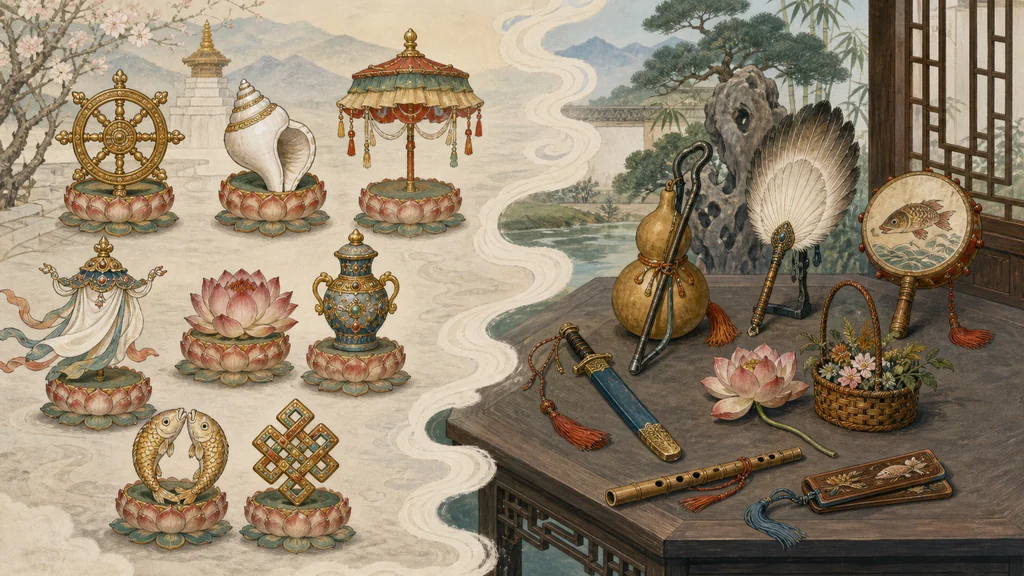
Which Eight Treasures Are These? Buddhist Symbols and the Dark Eight Immortals
Learn how to distinguish the Buddhist Eight Auspicious Symbols from the Dark Eight Immortals in Chinese art.
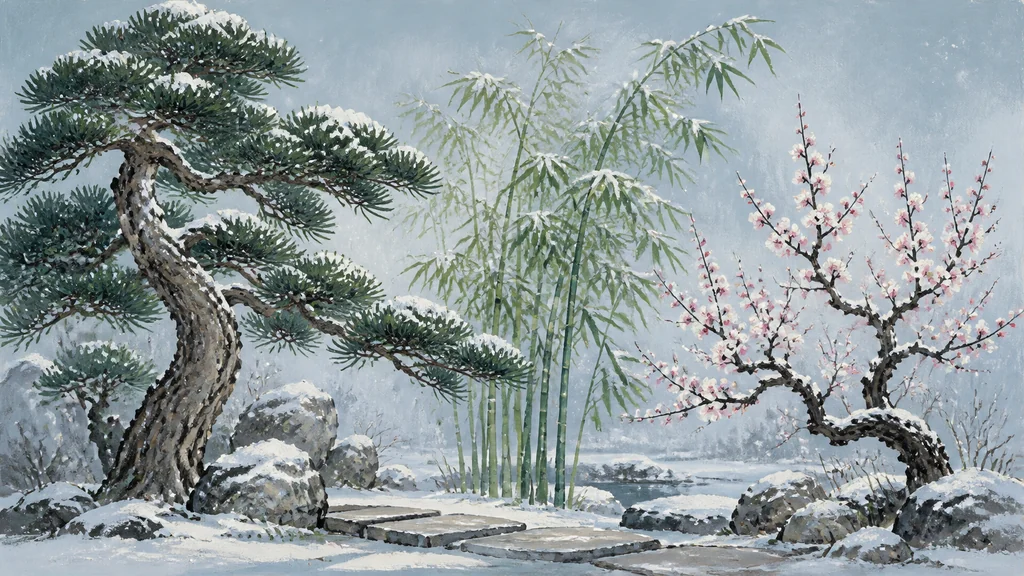
What Are the Three Friends of Winter in Chinese Art?
Meet pine, bamboo and plum—the Three Friends of Winter—and learn why Chinese art groups them as emblems of resilience and renewal.
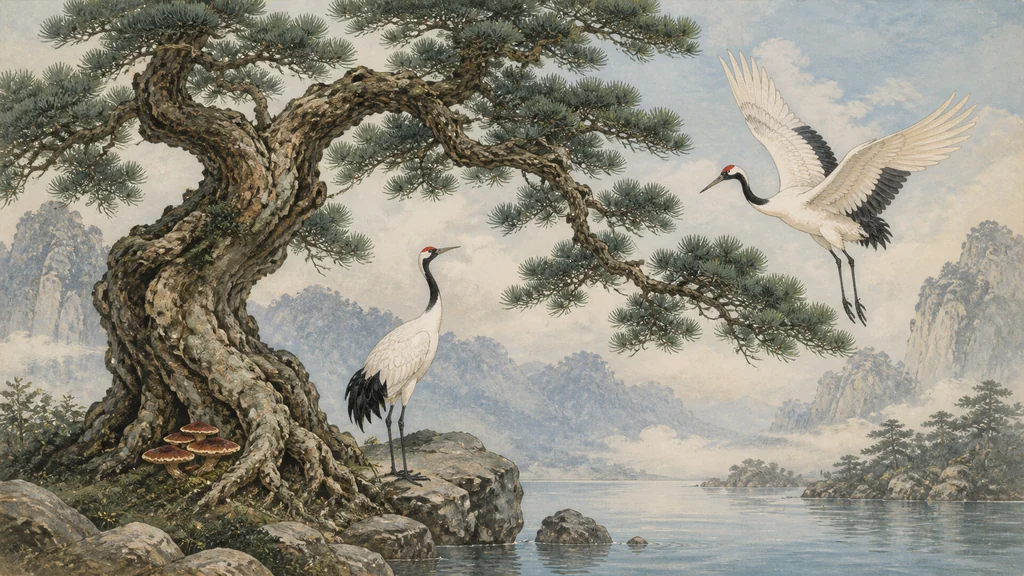
Why Pine Trees and Cranes Symbolize Longevity in Chinese Art
Why old pines and cranes appear on Chinese birthday gifts, and how their longevity symbolism differs from a sound-based rebus.
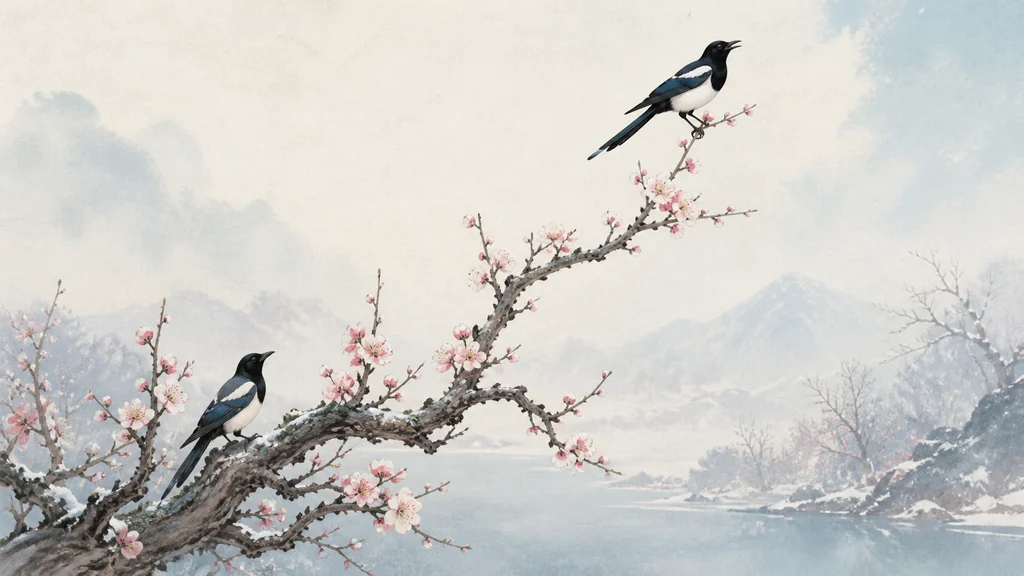
Why a Magpie on Plum Blossoms Means Joy Up to the Eyebrows
See how a magpie, a plum branch and the bird's position create the Chinese phrase for happiness written all over one's face.
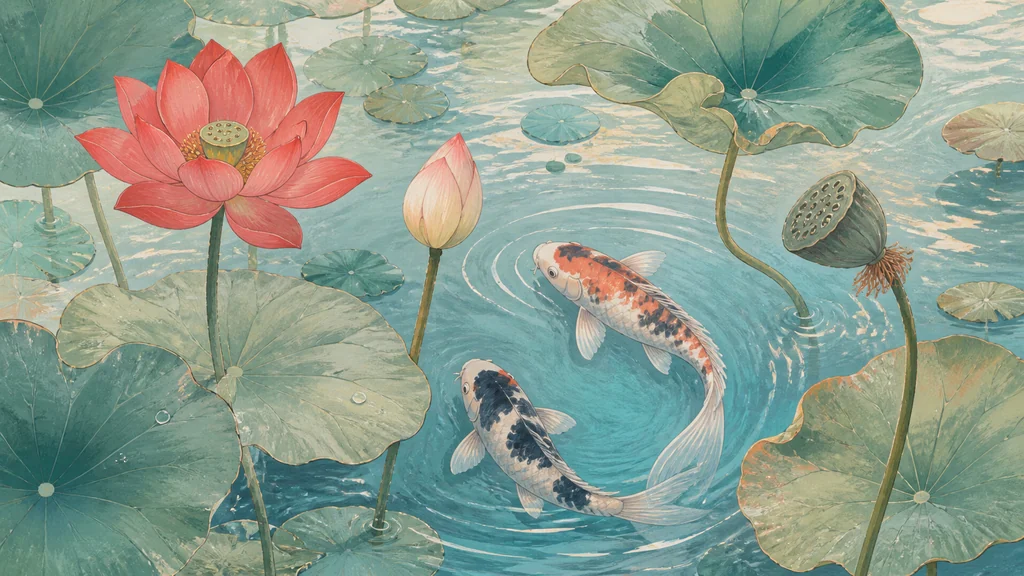
Why Lotus and Fish Mean Abundance Year After Year
How lotus and fish create the Chinese wish for abundance year after year, and why not every lotus-pond image carries the same meaning.
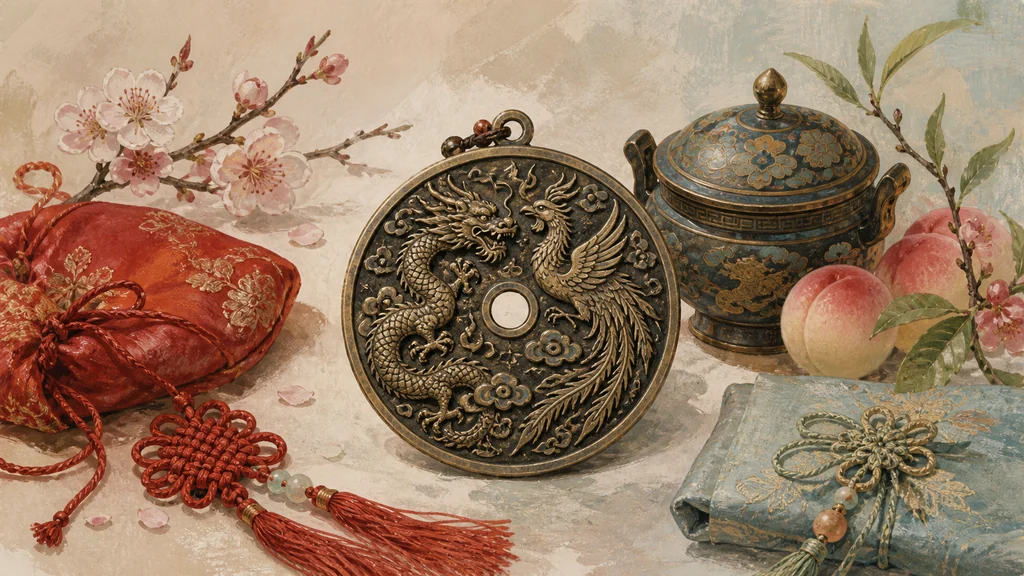
Why the Dragon and Phoenix Appear Together in Chinese Art
Learn when a dragon and phoenix represent a harmonious marriage, and why the same pairing can carry a different meaning on an imperial birthday object.