All guides · Plants
8 guides · Page 1/1
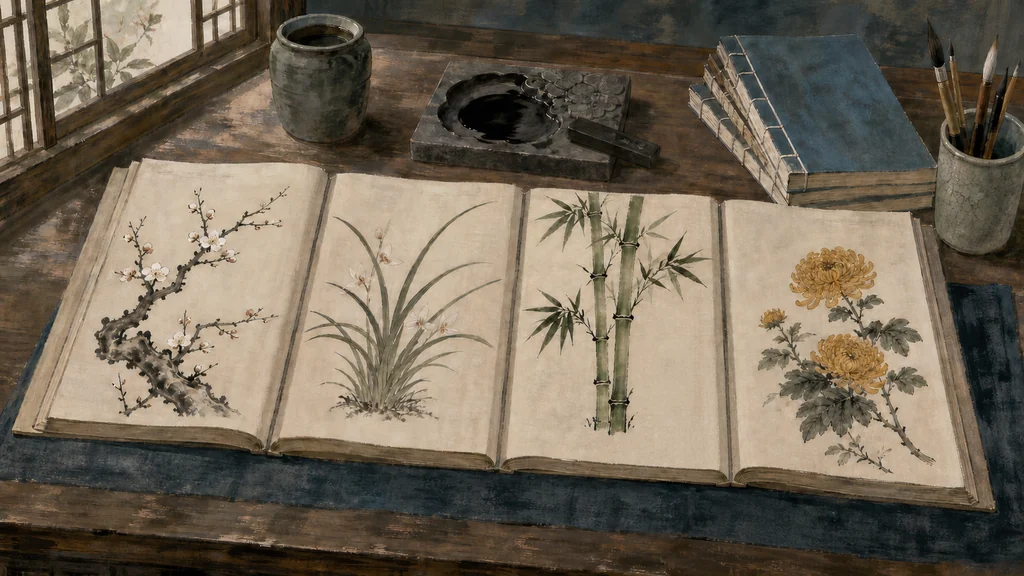
Why Are Plum, Orchid, Bamboo, and Chrysanthemum Called the Four Gentlemen?
Learn why plum, orchid, bamboo and chrysanthemum became the Four Gentlemen, how painting manuals stabilized the group, and how to identify it.
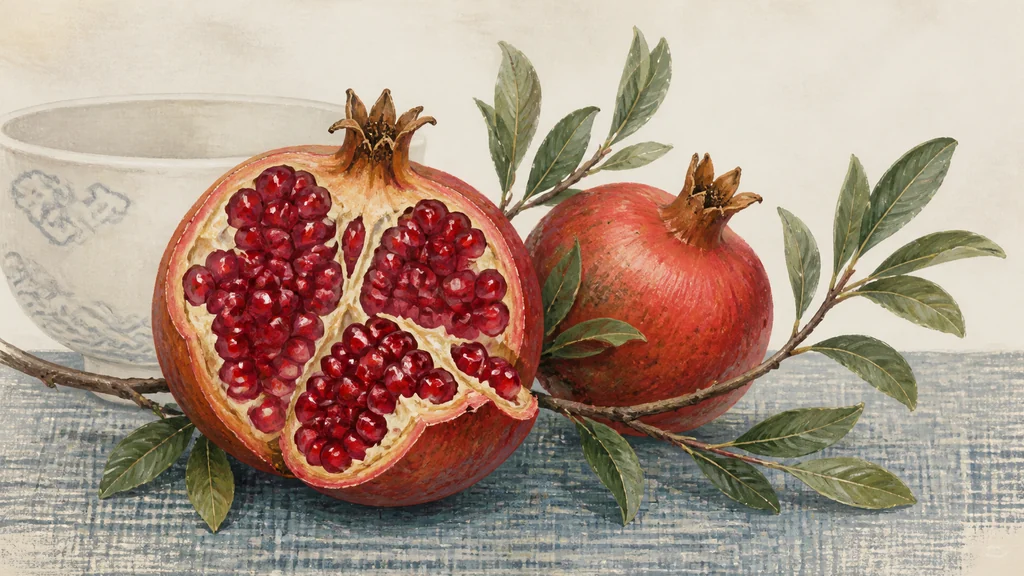
Why Do Pomegranates Symbolize Many Children in Chinese Art?
Discover why split pomegranates symbolize many descendants in Chinese art, how the seed–son wordplay works, and why historical labels often say many sons.
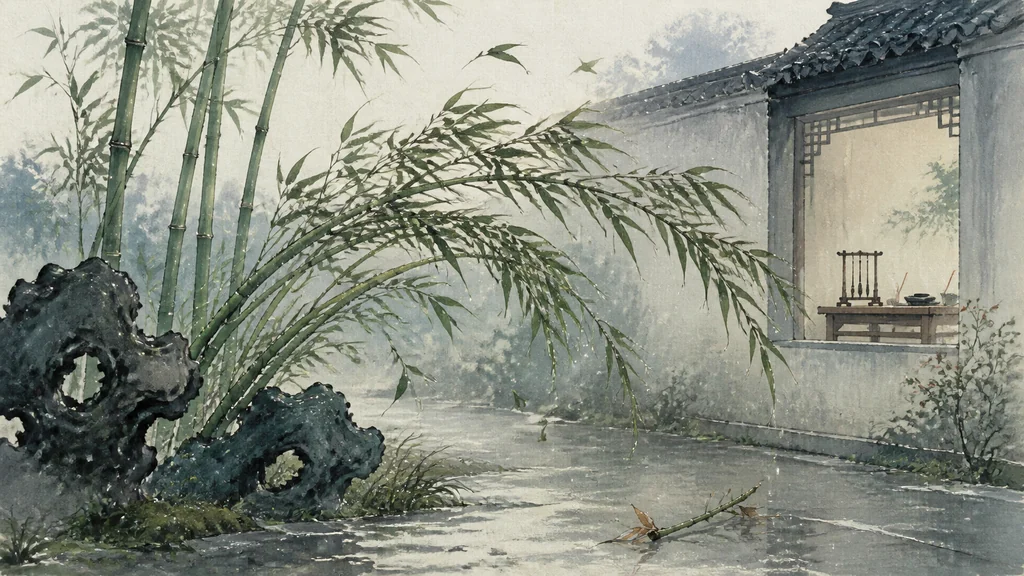
Why Bamboo Came to Represent the Junzi
See how bamboo's hollow culm, joints and flexible strength became metaphors for the cultivated junzi in Chinese painting and writing.
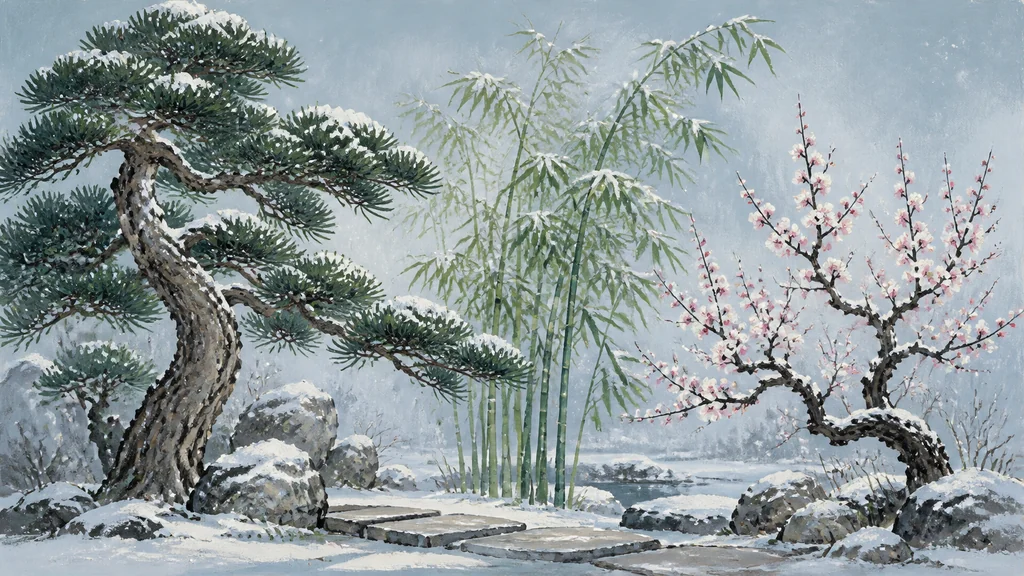
What Are the Three Friends of Winter in Chinese Art?
Meet pine, bamboo and plum—the Three Friends of Winter—and learn why Chinese art groups them as emblems of resilience and renewal.
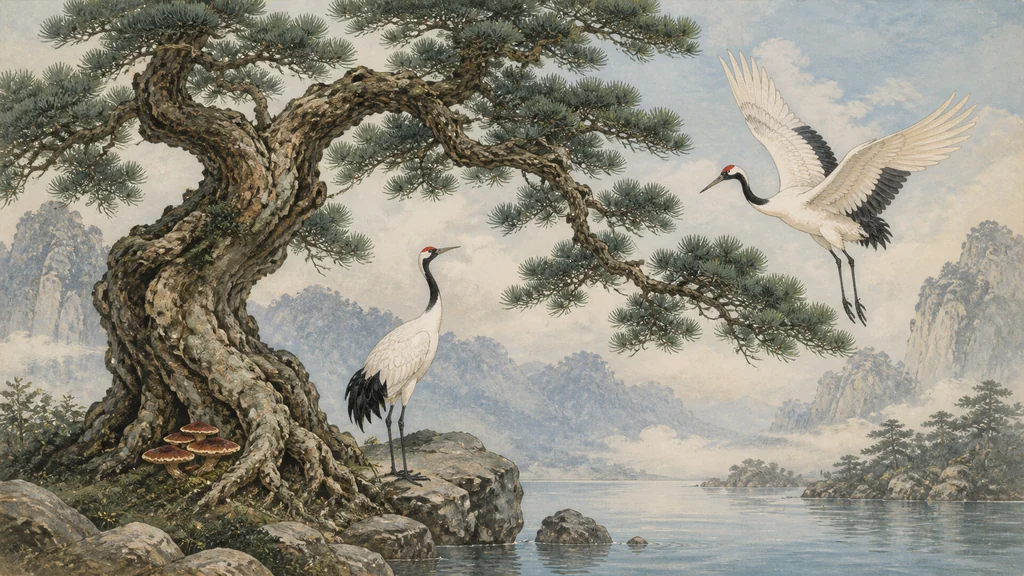
Why Pine Trees and Cranes Symbolize Longevity in Chinese Art
Why old pines and cranes appear on Chinese birthday gifts, and how their longevity symbolism differs from a sound-based rebus.
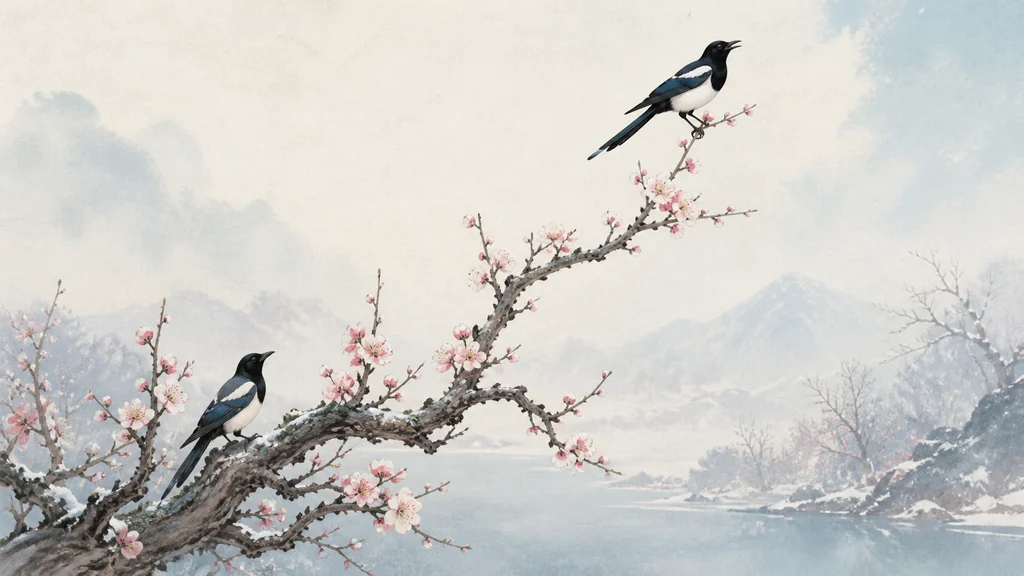
Why a Magpie on Plum Blossoms Means Joy Up to the Eyebrows
See how a magpie, a plum branch and the bird's position create the Chinese phrase for happiness written all over one's face.
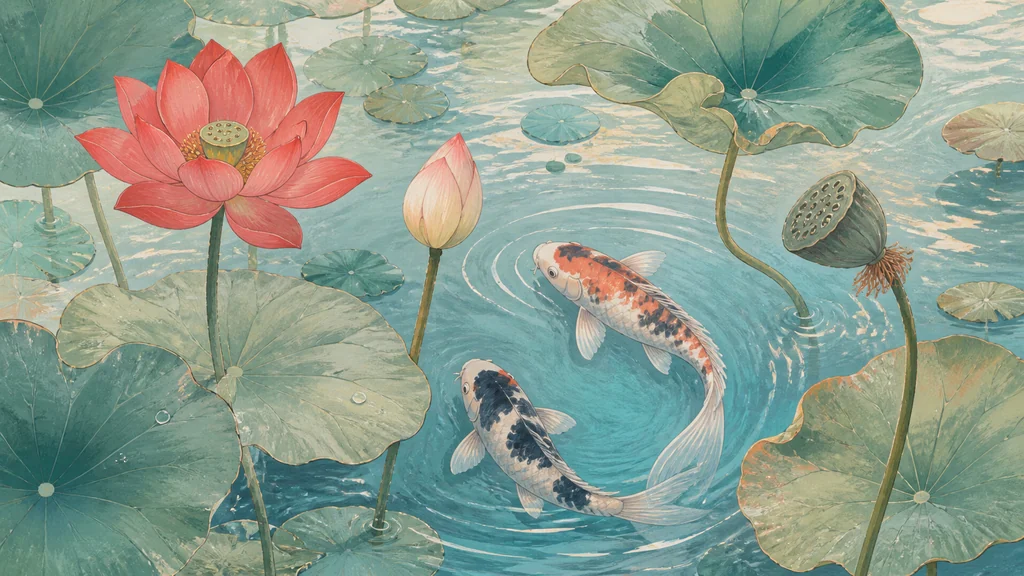
Why Lotus and Fish Mean Abundance Year After Year
How lotus and fish create the Chinese wish for abundance year after year, and why not every lotus-pond image carries the same meaning.
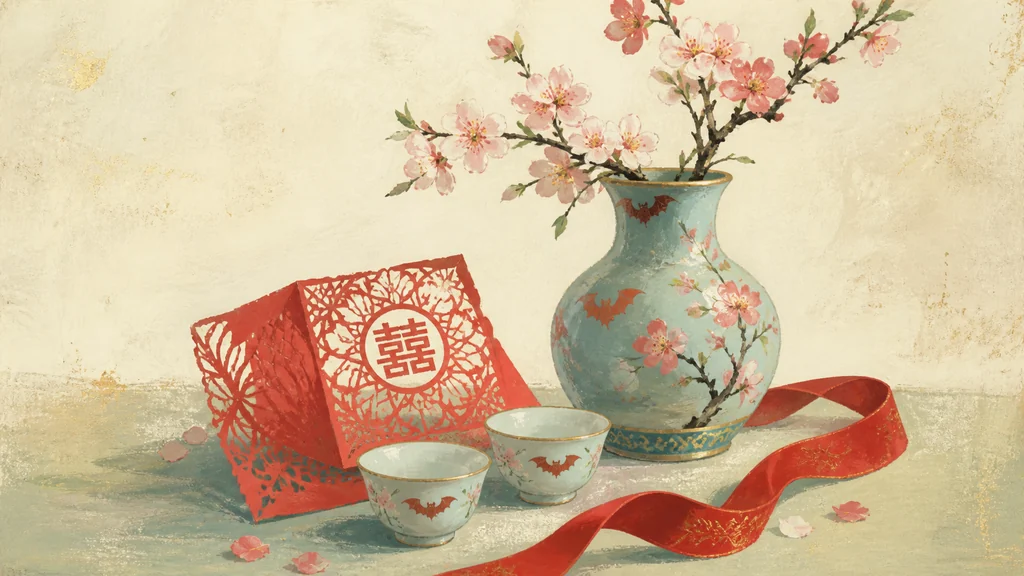
What the Chinese Double Happiness Symbol Means
Learn how 囍 joins two forms of joy into a Chinese wedding emblem, where it appears, and why its Wang Anshi origin story remains a legend.