Read animals, plants, colours, characters and auspicious combinations in their documented contexts.
36 guides · Page 2/3
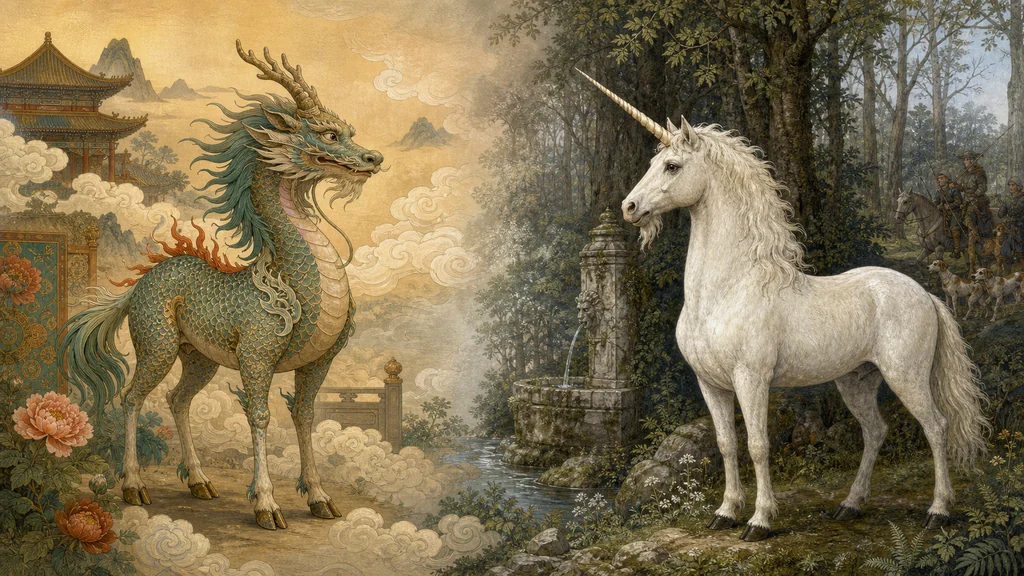
Is the Chinese Qilin the Same as a Western Unicorn?
A Chinese qilin is not simply a Western unicorn. Compare their changing bodies, auspicious meanings, medieval stories and translation history.
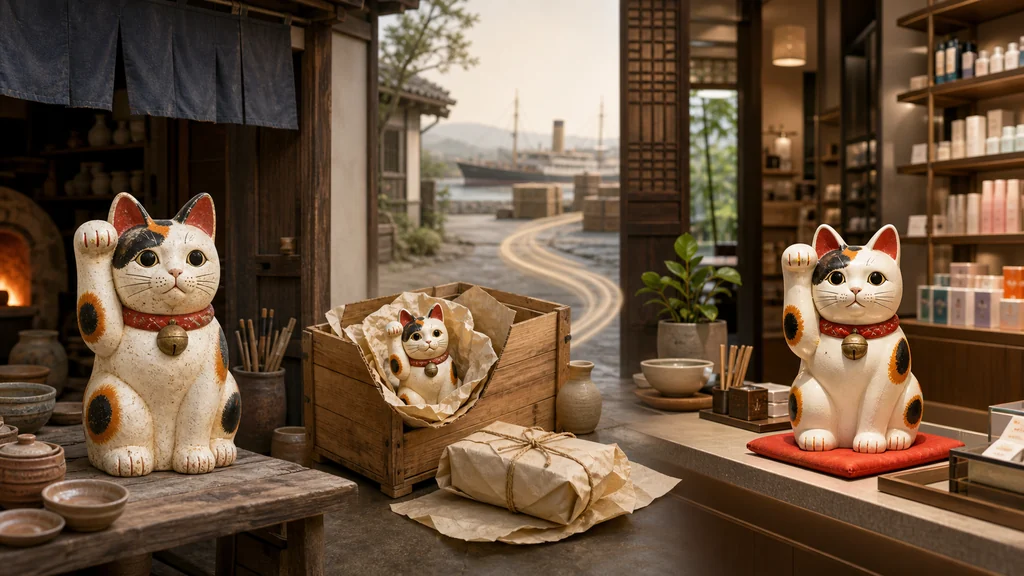
Is the Lucky Cat Chinese or Japanese?
The maneki-neko lucky cat is Japanese. Learn how Edo origins, pottery production, exports and Chinese restaurant display created a common misunderstanding.
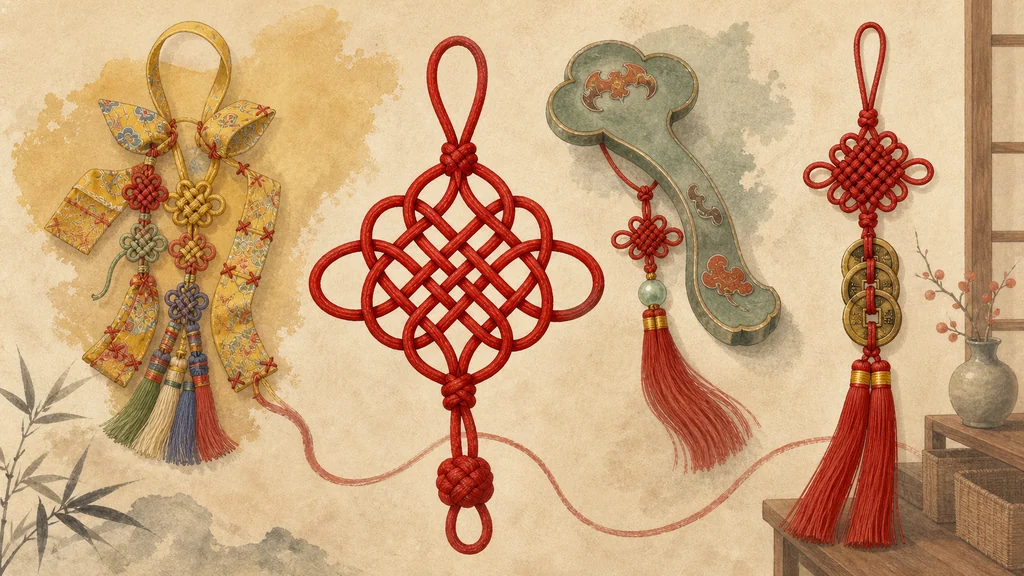
What Does a Chinese Knot Mean—and Do Different Knots Have Fixed Meanings?
Chinese knots do not share one fixed meaning. Learn how structure, knot names, colour, attached objects and setting create different associations.
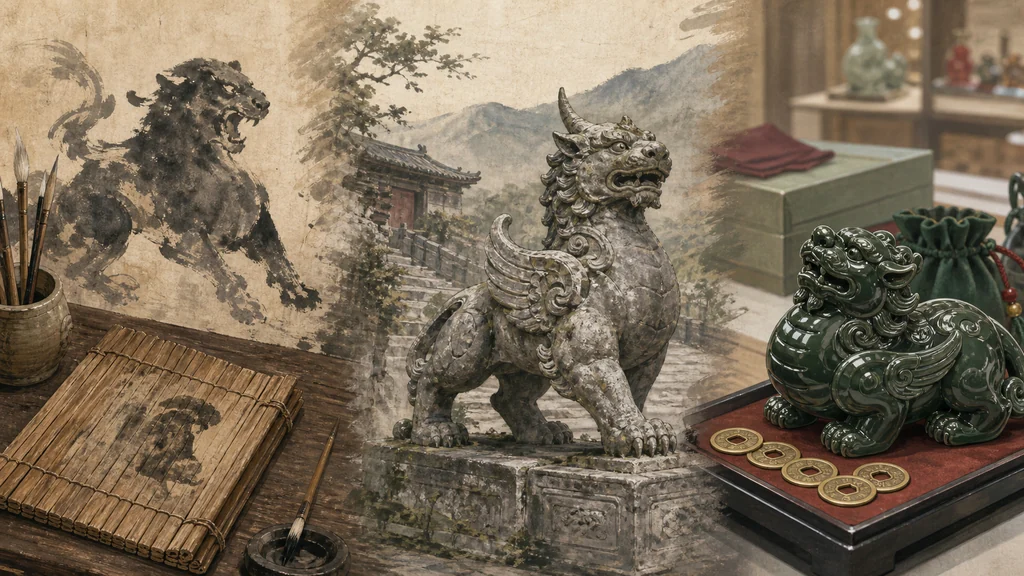
What Is a Pixiu—and Was It Always a Wealth Charm?
Pixiu has an ancient name, but its imagery and meanings changed. Separate early fierce-beast references from today's commercial wealth claims.

Why Jade Matters So Much in Chinese Culture
Jade became important in China through difficult craftsmanship, ritual and rank, moral comparison and personal adornment—not one fixed lucky meaning.
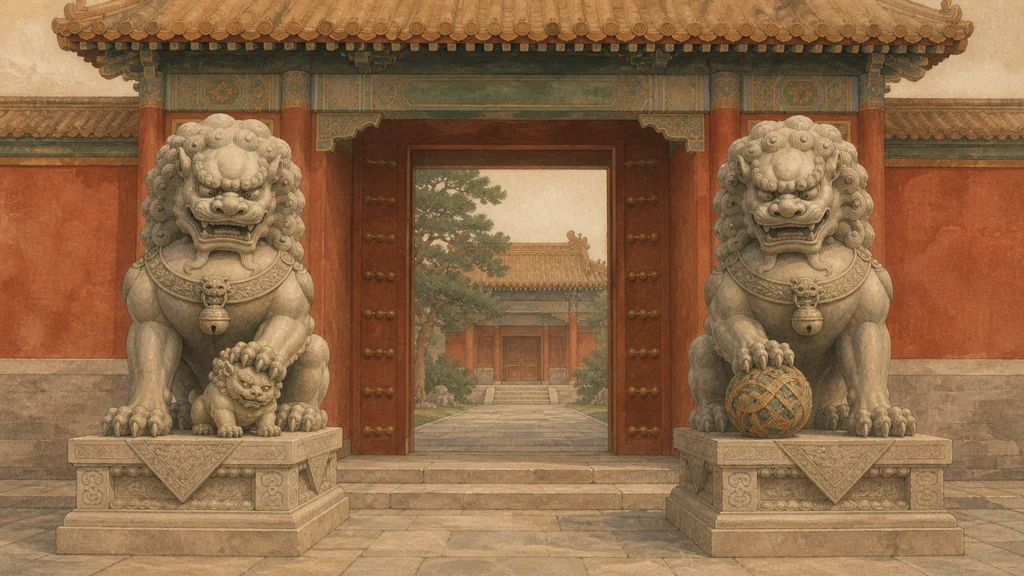
Why Chinese Guardian Lions Come in Pairs—and What Is Under Their Paws
Learn why Chinese guardian lions guard entrances in pairs, how the ball and cub identify them, and why left and right depend on viewing direction.
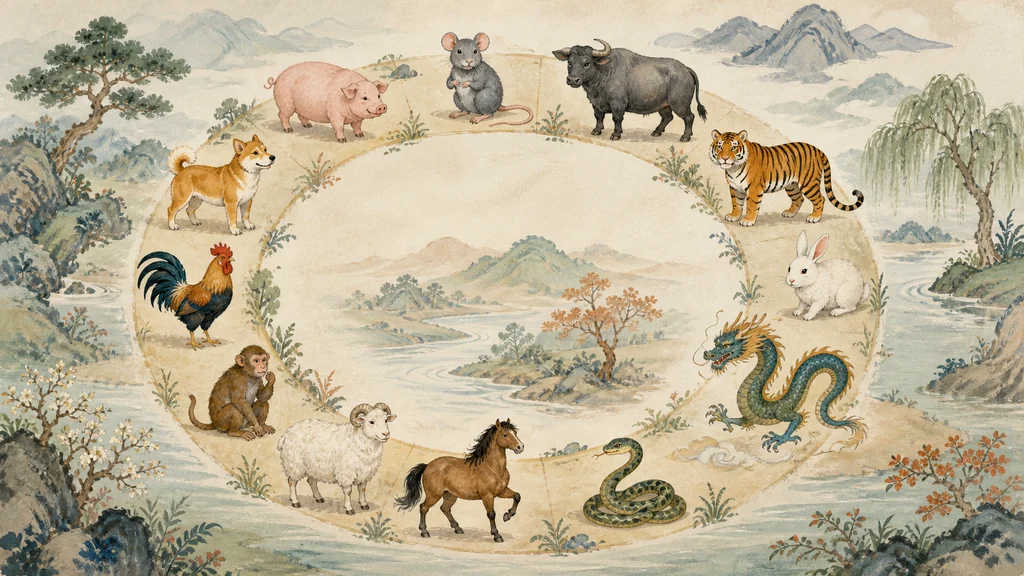
Why the Chinese Zodiac Has Twelve Animals—and Where a Zodiac Year Begins
Learn why the Chinese zodiac has twelve animals, how their fixed order follows the Earthly Branches, and why January or February birthdays require a date check.

What the Yin-Yang Symbol Actually Represents
Yin and yang are not a Chinese version of good versus evil. Learn how the symbol represents relational opposites, recurring change and a connected whole.
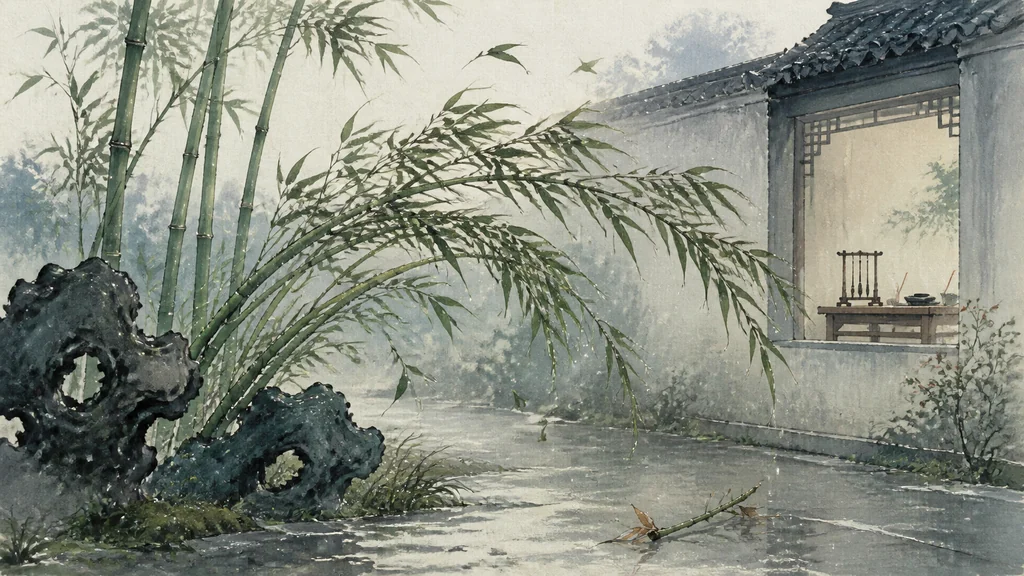
Why Bamboo Came to Represent the Junzi
See how bamboo's hollow culm, joints and flexible strength became metaphors for the cultivated junzi in Chinese painting and writing.
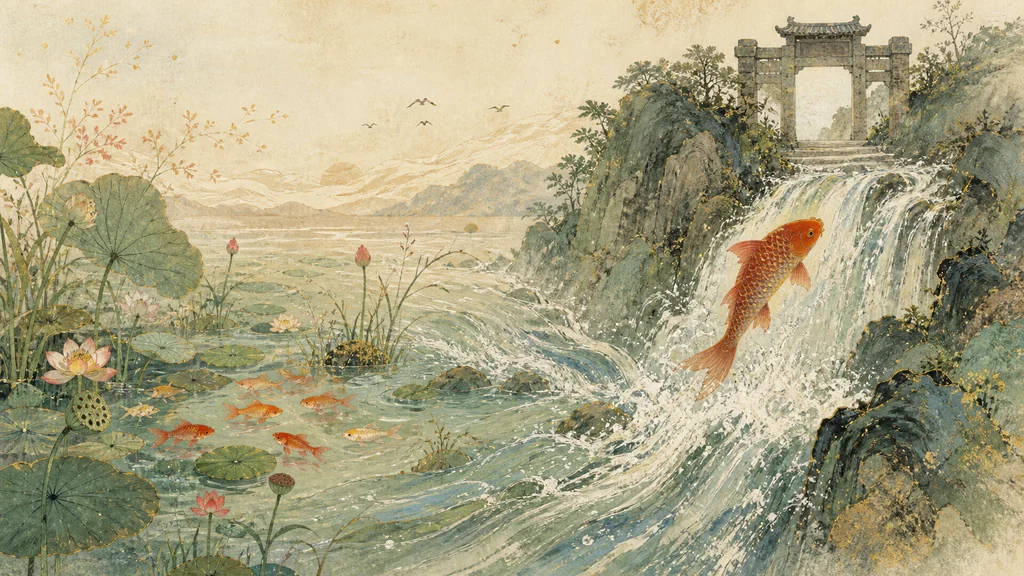
Fish for Abundance or Carp at the Dragon Gate?
Tell an abundance rebus from the carp-at-Dragon-Gate story by reading the fish, its movement, setting and object together.

Why Eight Is Considered Lucky in China
Learn why eight is linked with prosperity, why Cantonese matters, and how the preference appears in prices, plates and public dates.
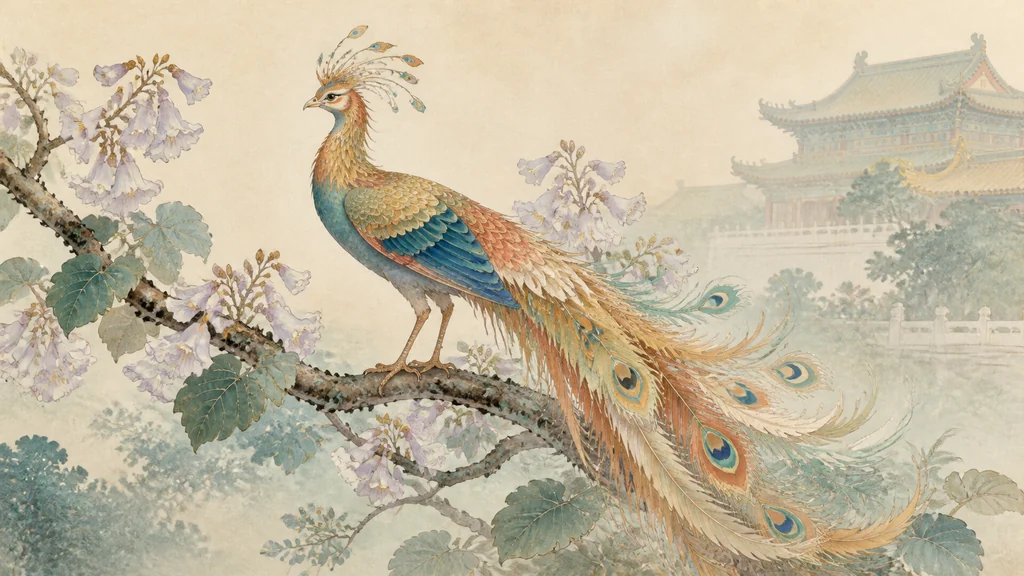
Why the Fenghuang Is Not the Western Phoenix
Learn why the Chinese fenghuang is not the fire-born Western phoenix, and how its meanings change across imperial and wedding contexts.